Anti-Fascist Council of the People's Liberation of Yugoslavia
The Anti-Fascist Council of the People's Liberation of Yugoslavia is a world War II-era political body established in Yugoslavia. It was founded in 1942.
- Founded
- 1942
- Country
- Yugoslavia
All 4 facts, and where they come from
Facts
4 facts · 0 confirmed by two sources · 0 cited · 4 from one source
Where this comes from
Papalocal keeps its own record. It started from these sources; what each one said is kept here as it was copied, so a change on their side never changes this page by itself. Tap one to read its version.
What Wikidata says · copied November 17, 2026 · revision 2549846746
- Described as
- world War II-era political body established in Yugoslavia
- Other names
- AVNOJ
- What it is
- provisional government
- Founded
- 1942
- Country
- Yugoslavia
- Chair
- Ivan Ribar
- Wikipedias with a page
- 30
Wikidata item Q311464 (wikidata.org/wiki/Q311464), public domain (CC0). Copied 2026-11-17.
What Wikipedia says · copied November 17, 2026 · revision 1356208708
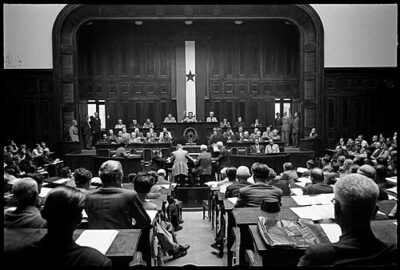
The Anti-Fascist Council for the National Liberation of Yugoslavia, commonly abbreviated as the AVNOJ (Cyrillic АВНОЈ, AV-noy), was a deliberative and legislative body that was established in Bihać in November 1942. It was established by Josip Broz Tito, the leader of the Yugoslav Partisans, an armed resistance movement led by the Communist Party of Yugoslavia to resist the Axis occupation of the country during World War II.
The AVNOJ reconvened in Jajce in 1943 and in Belgrade in 1945, shortly after the war in Europe ended. Between the sessions, it operated through its presidency, its executive council, and the National Committee for the Liberation of Yugoslavia. The committee was granted authority normally wielded by cabinets. While Tito presided over the committee, the AVNOJ sessions and its presidency were chaired by Ivan Ribar. The second session of the AVNOJ proclaimed itself Yugoslavia's new legislative body and decided that it should be a multi-ethnic federal state.
By 1944, the Western Allies and the Yugoslav government-in-exile recognised the AVNOJ as the all-Yugoslav legislative body. The third session of the AVNOJ was convened in preparation of the Constituent Assembly when the Yugoslav Parliament was convened again in 1945. Decisions of the AVNOJ determined there would be six units in the federation and defined their borders. It also took over the position of the legitimate ruling body of Yugoslavia from the government-in-exile in dealings with the Allies.
From the Wikipedia article “Anti-Fascist Council for the National Liberation of Yugoslavia” (en.wikipedia.org/wiki/Anti-Fascist_Council_for_the_National_Liberation_of_Yugoslavia), by its contributors, under CC BY-SA 4.0 (creativecommons.org/licenses/by-sa/4.0/). Copied 2026-11-17; not changed.
Confirmed Two sources agree. Cited One source, and it names where it got it. One source One source, without a reference of its own. Sources disagree The sources disagree. We show the best-supported value and keep theirs below.
Picture: Unknown author, via Wikimedia Commons · CC BY-SA 3.0 rs