Anti-
Anti- is an American record label. It was founded in 1999 by Brett Gurewitz. Its headquarters are in Los Angeles. It won the Libera Award for Marketing Genius.
- Founded
- 1999
- Founded by
- Brett Gurewitz
- Headquarters
- Los Angeles
- Industry
- music industry
- Country
- United States
All 10 facts, and where they come from
Facts
10 facts · 0 confirmed by two sources · 0 cited · 10 from one source
Where this comes from
Papalocal keeps its own record. It started from these sources; what each one said is kept here as it was copied, so a change on their side never changes this page by itself. Tap one to read its version.
What Wikidata says · copied November 16, 2026 · revision 2539561310
- Described as
- American record label
- Other names
- Anti- Records, Anti Records, ANTI Records, ANTI- Records, Anti-Records, ANTI-
- What it is
- independent record label
- Founded
- 1999
- Founded by
- Brett Gurewitz
- Headquarters
- Los Angeles
- Country
- United States
- Industry
- music industry · 1 reference
- Part of
- Epitaph Records
- Owned by
- Epitaph Records
- Awards
- Libera Award for Marketing Genius (2012) · 1 reference
- Official website
- http://Anti.com
- Wikipedias with a page
- 20
Wikidata item Q295794 (wikidata.org/wiki/Q295794), public domain (CC0). Copied 2026-11-16.
What Wikipedia says · copied November 16, 2026 · revision 1382849467
Anti- is an American record label founded in 1999 as a sister label to Epitaph Records.
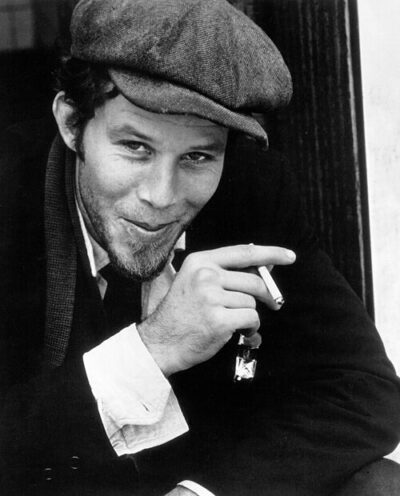
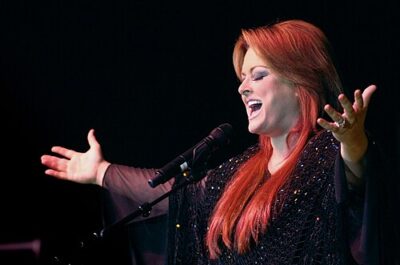
Founded by Andy Kaulkin, Anti- first gained attention by releasing Tom Waits's Grammy Award–winning Mule Variations in 1999. Other veteran recording artists such as rhythm and blues singers Solomon Burke, Bettye LaVette, Mavis Staples and Marianne Faithfull have signed to Anti- after leaving other labels.
From the Wikipedia article “Anti- (record label)” (en.wikipedia.org/wiki/Anti-_(record_label)), by its contributors, under CC BY-SA 4.0 (creativecommons.org/licenses/by-sa/4.0/). Copied 2026-11-16; not changed.
Confirmed Two sources agree. Cited One source, and it names where it got it. One source One source, without a reference of its own. Sources disagree The sources disagree. We show the best-supported value and keep theirs below.