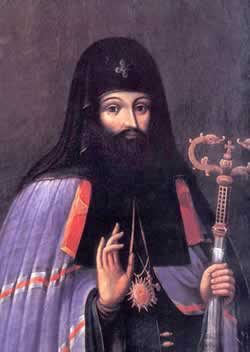
archimandrite
Archimandrite is an ecclesiastical occupation.
All 1 facts, and where they come from
Facts
1 facts · 0 confirmed by two sources · 0 cited · 1 from one source
Where this comes from
Papalocal keeps its own record. It started from these sources; what each one said is kept here as it was copied, so a change on their side never changes this page by itself. Tap one to read its version.
What Wikidata says · copied November 17, 2026 · revision 2566533874
- Described as
- title
- What it is
- ecclesiastical occupation
- Wikipedias with a page
- 43
Wikidata item Q213159 (wikidata.org/wiki/Q213159), public domain (CC0). Copied 2026-11-17.
What Wikipedia says · copied November 17, 2026 · revision 1368596975
The title archimandrite (; Greek: ἀρχιμανδρίτης, romanized: archimandritēs), used in Eastern Christianity, originally referred to a superior abbot (hegumenos, Greek: ἡγούμενος, present participle of the verb meaning "to lead") whom a bishop appointed to supervise several "ordinary" abbots and monasteries, or as the abbot of some especially great and important monastery. Since the 18th century it is most often used purely as a title of honor (with no connection to any actual monastery) and is bestowed on a hieromonk as a mark of respect or gratitude for service to the Church.
This title is only given to those priests who have been tonsured monks, while distinguished non-monastic (typically married) priests would be given the title of protopresbyter.
From the Wikipedia article “Archimandrite” (en.wikipedia.org/wiki/Archimandrite), by its contributors, under CC BY-SA 4.0 (creativecommons.org/licenses/by-sa/4.0/). Copied 2026-11-17; not changed.
Confirmed Two sources agree. Cited One source, and it names where it got it. One source One source, without a reference of its own. Sources disagree The sources disagree. We show the best-supported value and keep theirs below.
People connected 3
Occupation
 Eutychespresbyter and archimandrite at Constantinople
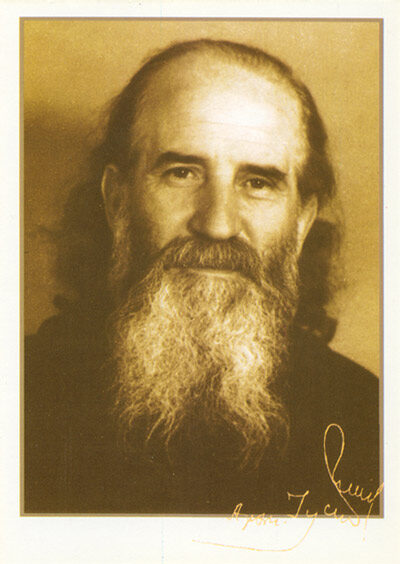 Justin PopovićEastern Orthodox theologian (1894–1979)