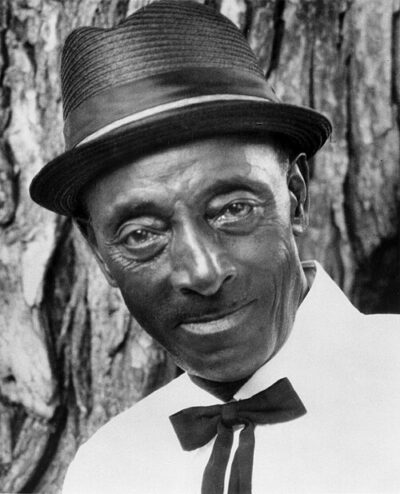
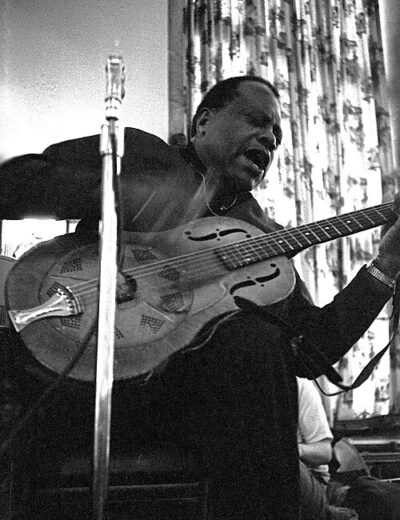
Arhoolie Records
Arhoolie Records is an American independent record label. It was founded in 1960 by Chris Strachwitz. Its headquarters are in El Cerrito.
- Founded
- 1960
- Founded by
- Chris Strachwitz
- Headquarters
- El Cerrito
- Country
- United States
All 9 facts, and where they come from
Facts
9 facts · 0 confirmed by two sources · 5 cited · 4 from one source
Where this comes from
Papalocal keeps its own record. It started from these sources; what each one said is kept here as it was copied, so a change on their side never changes this page by itself. Tap one to read its version.
What Wikidata says · copied November 16, 2026 · revision 2550141604
- Described as
- American independent record label
- What it is
- independent record label · 1 reference
- Genre
- blues · 1 reference; norteño · 1 reference; folk music · 1 reference; conjunto · 1 reference
- Founded
- 1960
- Founded by
- Chris Strachwitz · 1 reference
- Headquarters
- El Cerrito · 1 reference
- Country
- United States
- Wikipedias with a page
- 8
Wikidata item Q653349 (wikidata.org/wiki/Q653349), public domain (CC0). Copied 2026-11-16.
What Wikipedia says · copied November 16, 2026 · revision 1361570474
Arhoolie Records is an American small independent record label that was run by Chris Strachwitz and is based in El Cerrito, California, United States. (It is actually located in Richmond Annex, but has an El Cerrito postal address.) The label was founded by Strachwitz in 1960 as a way for him to record and produce music by previously obscure "down-home blues" artists such as Lightnin' Hopkins, Snooks Eaglin, and Bill Gaither. Strachwitz despised most commercial music as "mouse music." Arhoolie still publishes blues and folk music, Tejano music including Lydia Mendoza, Los Alegres de Terán, Flaco Jiménez, regional Mexican music, cajun, zydeco, and bluegrass.
From the Wikipedia article “Arhoolie Records” (en.wikipedia.org/wiki/Arhoolie_Records), by its contributors, under CC BY-SA 4.0 (creativecommons.org/licenses/by-sa/4.0/). Copied 2026-11-16; not changed.
Confirmed Two sources agree. Cited One source, and it names where it got it. One source One source, without a reference of its own. Sources disagree The sources disagree. We show the best-supported value and keep theirs below.