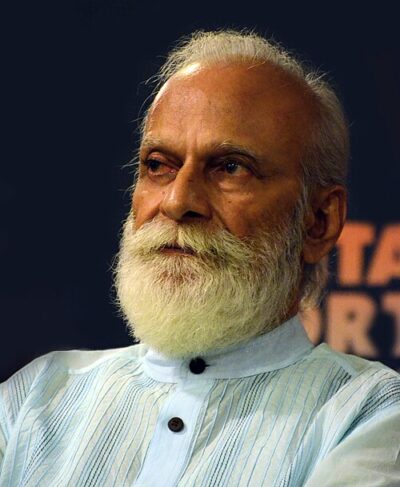
Asianet Television Awards
Asianet Television Awards is an Indian Television Awards.
- Country
- India
All 2 facts, and where they come from
Facts
2 facts · 0 confirmed by two sources · 0 cited · 2 from one source
Where this comes from
Papalocal keeps its own record. It started from these sources; what each one said is kept here as it was copied, so a change on their side never changes this page by itself. Tap one to read its version.
What Wikidata says · copied November 18, 2026 · revision 1526577192
- Described as
- Indian Television Awards
- What it is
- award
- Country
- India
- Wikipedias with a page
- 1
Wikidata item Q97738354 (wikidata.org/wiki/Q97738354), public domain (CC0). Copied 2026-11-18.
What Wikipedia says · copied November 18, 2026 · revision 1386224240
The Asianet Television Awards (ATA) is presented by Asianet TV Channel. It is a promotional platform of Asianet's TV shows. Since TV actors and actress' lack a strong society like Association of Malayalam Movie Artists, Asianet conducts functions to token their actors, directors, producers and production houses alternatively.
The awards ceremony was co-sponsored by Lux in the year 2005 which was titled as Asianet Kudumbam awards later Confident Group took up the sponsorship in the next 2 years. Then Ayu:Care, Nirapara, Doublehourse were the title sponsors. The function is normally held in Kozhikode, Palakkad, Kottayam, Angamaly and Thiruvananthapuram cities in Kerala. It was also held thrice in Al Saj Convention centre Trivandrum.
Serials with most awards
Swapnam (2005), Sthree2 (2006), Ente Manasaputhri (2008), Autograph (2011), Kumkumapoovu (2012-2013), Parasparam (2014-2018), Vanambadi (2017-2019), Kasthooriman (2018), Santhwanam (2022), Chempaneer Poovu (2024)
From the Wikipedia article “Asianet Television Awards” (en.wikipedia.org/wiki/Asianet_Television_Awards), by its contributors, under CC BY-SA 4.0 (creativecommons.org/licenses/by-sa/4.0/). Copied 2026-11-18; not changed.
Confirmed Two sources agree. Cited One source, and it names where it got it. One source One source, without a reference of its own. Sources disagree The sources disagree. We show the best-supported value and keep theirs below.