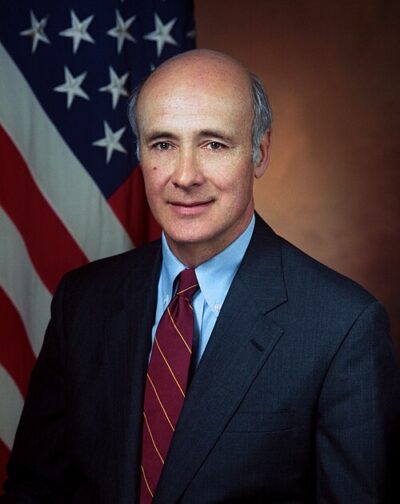
Assistant Secretary of Defense for International Security Affairs
Assistant Secretary of Defense for International Security Affairs is a United States government position.
- Country
- United States
All 2 facts, and where they come from
Facts
2 facts · 0 confirmed by two sources · 0 cited · 2 from one source
Where this comes from
Papalocal keeps its own record. It started from these sources; what each one said is kept here as it was copied, so a change on their side never changes this page by itself. Tap one to read its version.
What Wikidata says · copied November 17, 2026 · revision 2570305357
- Described as
- United States government position
- What it is
- position
- Country
- United States
- Wikipedias with a page
- 1
Wikidata item Q4808976 (wikidata.org/wiki/Q4808976), public domain (CC0). Copied 2026-11-17.
What Wikipedia says · copied November 17, 2026 · revision 1384921659
In the United States, the assistant secretary of defense for international security affairs or ASD (ISA) is the principal advisor to the under secretary of defense for policy (USD (P)) and the secretary of defense on international security strategy and policy on issues of Department of Defense (DoD) interest related to the governments and defense establishments of the nations and international organizations of Europe (including the North Atlantic Treaty Organization), the Middle East, Africa, and the Western Hemisphere. The ASD (ISA) also oversees security cooperation programs and foreign military sales programs in these regions. Despite the broad title of the office, the ASD (ISA) does not develop policy related to Asia, the Pacific region, Latin America, or South America.
From the Wikipedia article “Assistant Secretary of Defense for International Security Affairs” (en.wikipedia.org/wiki/Assistant_Secretary_of_Defense_for_International_Security_Affairs), by its contributors, under CC BY-SA 4.0 (creativecommons.org/licenses/by-sa/4.0/). Copied 2026-11-17; not changed.
Confirmed Two sources agree. Cited One source, and it names where it got it. One source One source, without a reference of its own. Sources disagree The sources disagree. We show the best-supported value and keep theirs below.