Association for the Study of African American Life and History
Association for the Study of African American Life and History is a learned society. It was founded in 1915.
- Founded
- 1915
- Industry
- higher education
- Country
- United States
All 9 facts, and where they come from
Facts
9 facts · 0 confirmed by two sources · 2 cited · 7 from one source
Where this comes from
Papalocal keeps its own record. It started from these sources; what each one said is kept here as it was copied, so a change on their side never changes this page by itself. Tap one to read its version.
What Wikidata says · copied November 16, 2026 · revision 2552210987
- Described as
- learned society
- Other names
- Association for the Study of Negro Life and History, Association for the Study of Afro-American Life and History, Association for the Study of African American Life & History
- What it is
- learned society; nonprofit organization · 1 reference
- Founded
- 1915 · 1 reference
- Located in
- Washington, D.C. · 1 reference
- Country
- United States · 1 reference
- Industry
- higher education
- Field
- African American history; African American studies
- Official website
- https://asalh.org/ · 1 reference
- Wikipedias with a page
- 4
Wikidata item Q2867694 (wikidata.org/wiki/Q2867694), public domain (CC0). Copied 2026-11-16.
What Wikipedia says · copied November 16, 2026 · revision 1383306847
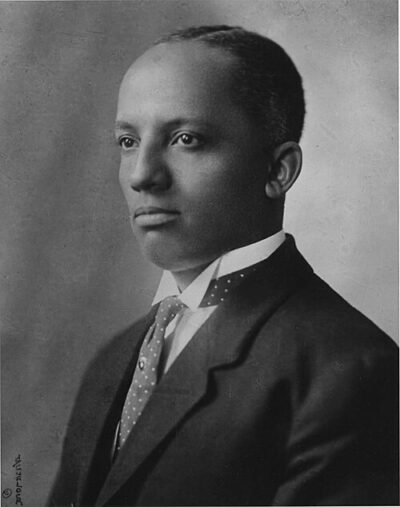
The Association for the Study of African American Life and History (ASALH) is a learned society dedicated to the study and appreciation of African-American History. The association was founded in Chicago on September 9, 1915, during the National Half Century Exposition and Lincoln Jubilee, as the Association for the Study of Negro Life and History (ASNLH) by Carter G. Woodson, William B. Hartgrove, George Cleveland Hall, Alexander L. Jackson, and James E. Stamps, and incorporated in Washington, D.C., on October 2, 1915. The association is based in Washington, D.C. In 1973, ASNLH was renamed the Association for the Study of Afro-American Life and History.
ASALH's official mission is "to promote, research, preserve, interpret, and disseminate information about Black life, history, and culture to the global community." Its official vision is "to be the premier Black Heritage and learned society with a diverse and inclusive membership supported by a strong network of national and international branches to continue the Woodson legacy."
ASALH created Negro History Week in 1926. Woodson selected the week to coincide with the birthdays of Frederick Douglass and Abraham Lincoln. Each year, he established a national theme for the celebration. Since 1976, ASALH extended the celebration for all of February.
The organization publishes The Journal of African American History (formerly The Journal of Negro History) and the Black History Bulletin (formerly the Negro History Bulletin). In 2005, ASALH established the ASALH Press, reissuing Carter G. Woodson's Mis-Education of the Negro. The same year ASALH established The Woodson Review, a magazine that promotes its Annual Black History Theme, including it as part of its Black History Kit. In 2005, ASALH discovered a previously unpublished manuscript by its founder, Carter G. Woodson, and published it in a special edition as Carter G. Woodson's Appeal: The Lost Manuscript Edition.
ASALH is a membership organization with more than 25 branches.
From the Wikipedia article “Association for the Study of African American Life and History” (en.wikipedia.org/wiki/Association_for_the_Study_of_African_American_Life_and_History), by its contributors, under CC BY-SA 4.0 (creativecommons.org/licenses/by-sa/4.0/). Copied 2026-11-16; not changed.
Confirmed Two sources agree. Cited One source, and it names where it got it. One source One source, without a reference of its own. Sources disagree The sources disagree. We show the best-supported value and keep theirs below.