autosuggestion
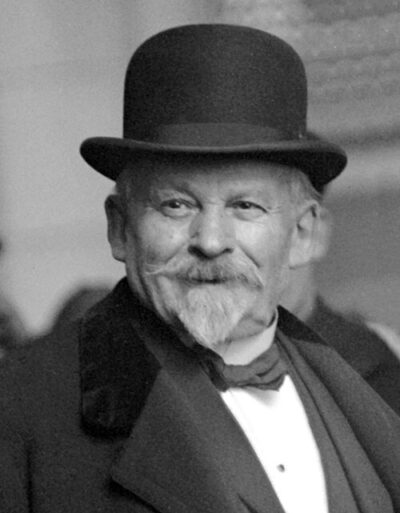
Autosuggestion is a psychological technique. It was created by Émile Coué.
- Created by
- Émile Coué
All 2 facts, and where they come from
Facts
2 facts · 0 confirmed by two sources · 0 cited · 2 from one source
Where this comes from
Papalocal keeps its own record. It started from these sources; what each one said is kept here as it was copied, so a change on their side never changes this page by itself. Tap one to read its version.
What Wikidata says · copied November 17, 2026 · revision 2567798867
- Described as
- psychological technique
- What it is
- principle
- Created by
- Émile Coué
- Wikipedias with a page
- 25
Wikidata item Q789195 (wikidata.org/wiki/Q789195), public domain (CC0). Copied 2026-11-17.
What Wikipedia says · copied November 17, 2026 · revision 1350108093
Autosuggestion is a psychological technique related to the placebo effect, popularized internationally by pharmacist Émile Coué in the 1920s. It is a form of self-induced suggestion in which individuals guide their own thoughts, feelings, or behavior. The technique is often used in self-hypnosis.
While Émile Coué created an autosuggestion craze in America in the 1920s, the technique had already been developed and widely taught by Dr. Herbert A. Parkyn through experimentation at his Chicago School of Psychology and in his 1906 book Auto-Suggestion: What It Is and How to Use It for Health, Happiness and Success.
From the Wikipedia article “Autosuggestion” (en.wikipedia.org/wiki/Autosuggestion), by its contributors, under CC BY-SA 4.0 (creativecommons.org/licenses/by-sa/4.0/). Copied 2026-11-17; not changed.
Confirmed Two sources agree. Cited One source, and it names where it got it. One source One source, without a reference of its own. Sources disagree The sources disagree. We show the best-supported value and keep theirs below.