Babel-17
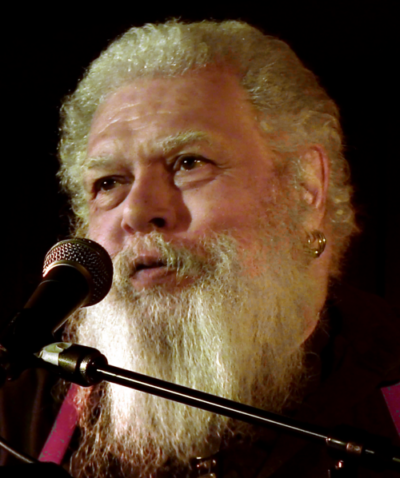
Babel-17 is a 1966 science fiction novel by Samuel Delany. It was written by Samuel R. Delany. It won the Nebula Award for Best Novel.
- Published
- May 1966
- Written by
- Samuel R. Delany
- Genre
- science fiction
- Country of origin
- United States
All 8 facts, and where they come from
Facts
8 facts · 0 confirmed by two sources · 3 cited · 5 from one source
Where this comes from
Papalocal keeps its own record. It started from these sources; what each one said is kept here as it was copied, so a change on their side never changes this page by itself. Tap one to read its version.
What Wikidata says · copied November 17, 2026 · revision 2568621205
- Described as
- 1966 science fiction novel by Samuel Delany
- What it is
- literary work
- Written by
- Samuel R. Delany · 1 reference
- Publisher
- Ace Books
- Genre
- science fiction
- Published
- May 1966 · 2 references
- Language
- English
- Country of origin
- United States
- Awards
- Nebula Award for Best Novel (1967) · 1 reference
- Wikipedias with a page
- 15
Wikidata item Q2722309 (wikidata.org/wiki/Q2722309), public domain (CC0). Copied 2026-11-17.
What Wikipedia says · copied November 17, 2026 · revision 1384222456
Babel-17 is a 1966 science fiction novel by American writer Samuel R. Delany. Published by Ace Books in May 1966, it follows Rydra Wong, a poet and linguist recruited during an interstellar war to decipher a language connected to enemy sabotage. Her investigation reveals a language that shapes thought and can make its speakers unwitting saboteurs. Through Rydra's effort to understand and revise it, the novel explores communication, perception, identity, and translation.
The novel shared the 1966 Nebula Award for Best Novel with Daniel Keyes's Flowers for Algernon and was a finalist for the Hugo Award for Best Novel in 1967. Retrospective assessments have praised its combination of linguistic speculation, space-opera adventure, and social imagination, while some critics have questioned its linguistic premises and narrative execution.
From the Wikipedia article “Babel-17” (en.wikipedia.org/wiki/Babel-17), by its contributors, under CC BY-SA 4.0 (creativecommons.org/licenses/by-sa/4.0/). Copied 2026-11-17; not changed.
Confirmed Two sources agree. Cited One source, and it names where it got it. One source One source, without a reference of its own. Sources disagree The sources disagree. We show the best-supported value and keep theirs below.