Balli Kombëtar
Balli Kombëtar is a 1942-1945 political and military organization in Albania. It stands for Albanian nationalism, Greater Albania and anti-Greek sentiment.
- Country
- Albania
- Founded
- November 1942
- Ideology
- Albanian nationalism
- Chair
- Midhat Frashëri
All 10 facts, and where they come from
Facts
10 facts · 0 confirmed by two sources · 0 cited · 10 from one source
Where this comes from
Papalocal keeps its own record. It started from these sources; what each one said is kept here as it was copied, so a change on their side never changes this page by itself. Tap one to read its version.
What Wikidata says · copied November 18, 2026 · revision 2520080185
- Described as
- 1942-1945 political and military organization in Albania
- Other names
- National Front
- What it is
- political organization
- Followed by
- Albanian National Front Party
- Founded
- November 1942
- Ended
- 1945
- Country
- Albania
- Chair
- Midhat Frashëri · 1 reference
- Ideology
- Albanian nationalism; Greater Albania; anti-Greek sentiment; anti-Serb sentiment
- Wikipedias with a page
- 29
Wikidata item Q689339 (wikidata.org/wiki/Q689339), public domain (CC0). Copied 2026-11-18.
What Wikipedia says · copied November 18, 2026 · revision 1383083065
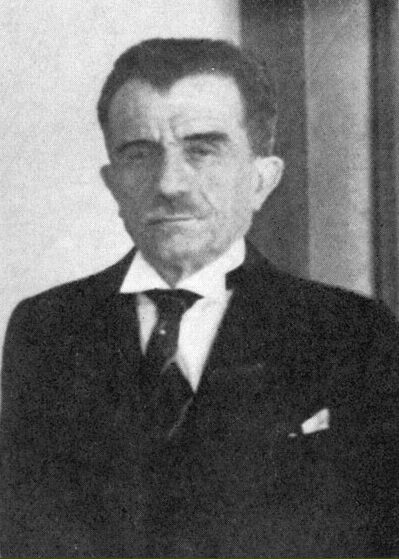
The Balli Kombëtar (literally National Front) was an Albanian nationalist, collaborationist, fascist and anti-communist resistance movement during the Second World War. It was led by Ali Këlcyra and Midhat Frashëri.
The movement was formed, initially, by republican nationalists who were opposed to both communism and monarchism. Later on, it allied itself with the German occupiers and former Zogists. The group's official platform, detailed in its ten-point "Decalogue", sought the establishment of a democratic, independent ethnic Albanian state. The movement initially participated in the resistance against Italian forces and briefly cooperated with the communist-led National Liberation Movement (LANÇ) through the August 1943 Mukje Agreement. Following the breakdown of the agreement and the Italian capitulation in September 1943, its leadership and regional factions increasingly collaborated with German occupation authorities in their struggle against communist partisans.
The Balli Kombëtar engaged in significant acts of terror, culminating in atrocities committed against Serb and Greek civilians. Defeated by communist forces in Albania and Yugoslavia by the end of the war, the movement was largely driven into exile, although it later re-emerged as a political organization in post-communist Albania.
From the Wikipedia article “Balli Kombëtar” (en.wikipedia.org/wiki/Balli_Kombëtar), by its contributors, under CC BY-SA 4.0 (creativecommons.org/licenses/by-sa/4.0/). Copied 2026-11-18; not changed.
Confirmed Two sources agree. Cited One source, and it names where it got it. One source One source, without a reference of its own. Sources disagree The sources disagree. We show the best-supported value and keep theirs below.
Picture: Wikimedia Commons: Xhem Hasa Tetovo 1944.jpg · See Commons file page