Bamboccianti
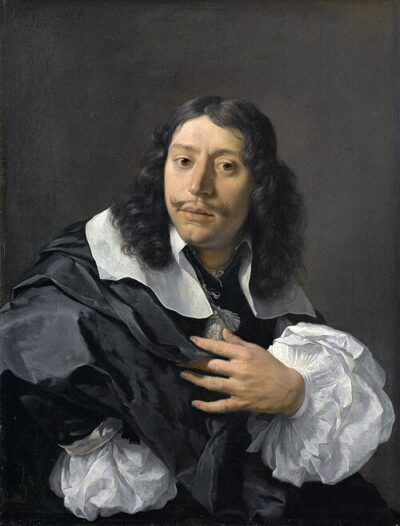
Bamboccianti is a followers of Pieter van Laer and other Bentvueghels in Rome.
All 4 facts, and where they come from
Facts
4 facts · 0 confirmed by two sources · 0 cited · 4 from one source
Where this comes from
Papalocal keeps its own record. It started from these sources; what each one said is kept here as it was copied, so a change on their side never changes this page by itself. Tap one to read its version.
What Wikidata says · copied November 18, 2026 · revision 2498586563
- Described as
- followers of Pieter van Laer and other Bentvueghels in Rome
- What it is
- group of humans; art movement
- Genre
- genre painting
- Field
- Bambocciata
- Wikipedias with a page
- 17
Wikidata item Q2344569 (wikidata.org/wiki/Q2344569), public domain (CC0). Copied 2026-11-18.
What Wikipedia says · copied November 18, 2026 · revision 1357610483
The Bamboccianti were genre painters active in Rome from approximately 1625 until the end of the seventeenth century. Most were Dutch and Flemish artists who brought with them to Italy existing traditions of depicting peasant subjects drawn from sixteenth-century Netherlandish art, and they generally created small cabinet paintings or etchings of the everyday life of the lower classes in Rome and its countryside.
Typical subjects include food and beverage sellers, farmers and milkmaids at work, soldiers at rest and play, and beggars – or, as Salvator Rosa lamented in the mid‑seventeenth century, "rogues, cheats, pickpockets, bands of drunkards and gluttons, scabby tobacconists, barbers, and other 'sordid' subjects." Despite their lowly subject matter, these works found favour among elite collectors and commanded high prices.
From the Wikipedia article “Bamboccianti” (en.wikipedia.org/wiki/Bamboccianti), by its contributors, under CC BY-SA 4.0 (creativecommons.org/licenses/by-sa/4.0/). Copied 2026-11-18; not changed.
Confirmed Two sources agree. Cited One source, and it names where it got it. One source One source, without a reference of its own. Sources disagree The sources disagree. We show the best-supported value and keep theirs below.