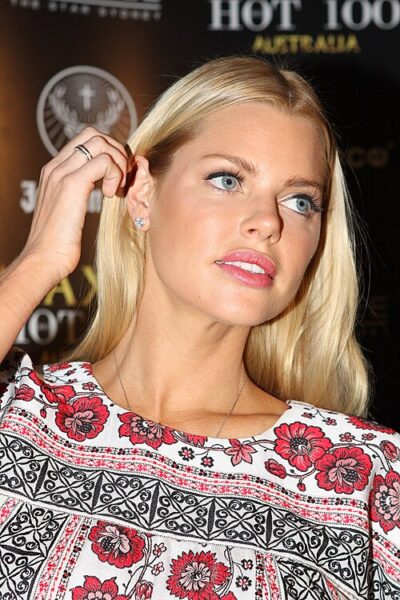
Bardot
Bardot is an Australian female pop group. It was founded in 1999.
- Founded
- 1999
- Genre
- pop music
- Record label
- Warner Music Group
- Country of origin
- Australia
All 5 facts, and where they come from
Facts
5 facts · 0 confirmed by two sources · 0 cited · 5 from one source
Where this comes from
Papalocal keeps its own record. It started from these sources; what each one said is kept here as it was copied, so a change on their side never changes this page by itself. Tap one to read its version.
What Wikidata says · copied November 17, 2026 · revision 2279455826
- Described as
- Australian female pop group
- What it is
- musical group
- Genre
- pop music
- Country of origin
- Australia
- Record label
- Warner Music Group
- Founded
- 1999
- Wikipedias with a page
- 4
Wikidata item Q3634931 (wikidata.org/wiki/Q3634931), public domain (CC0). Copied 2026-11-17.
What Wikipedia says · copied November 17, 2026 · revision 1385907326
Bardot ( bar-DOH) is an Australian pop girl group which formed in 1999, consisting of Belinda Chapple, Sally Polihronas, Katie Underwood, Tiffani Wood, and formerly Sophie Monk. The group formed on the Australian reality television series Popstars, which attracted high ratings and significant media exposure. This resulted in the instant success of Bardot's debut single "Poison" and debut album Bardot (2000), both of which entered the Australian and New Zealand charts at number 1.
Following the departure of Underwood, Bardot released their second album Play It Like That (2001), featuring the top five Australian singles "ASAP" and "I Need Somebody", before parting ways in early 2002. In 2021, the compilation Greatest Hits was released to mark the group's 20 year anniversary and the group reunited for festival performances in 2026 as a four-piece without Monk.
From the Wikipedia article “Bardot (Australian band)” (en.wikipedia.org/wiki/Bardot_(Australian_band)), by its contributors, under CC BY-SA 4.0 (creativecommons.org/licenses/by-sa/4.0/). Copied 2026-11-17; not changed.
Confirmed Two sources agree. Cited One source, and it names where it got it. One source One source, without a reference of its own. Sources disagree The sources disagree. We show the best-supported value and keep theirs below.