Best WNBA Player ESPY Award
Best WNBA Player ESPY Award is an American sporting award. It was created in 1998.
- Country
- United States
- Created
- 1998
All 5 facts, and where they come from
Facts
5 facts · 0 confirmed by two sources · 0 cited · 5 from one source
Where this comes from
Papalocal keeps its own record. It started from these sources; what each one said is kept here as it was copied, so a change on their side never changes this page by itself. Tap one to read its version.
What Wikidata says · copied November 17, 2026 · revision 2548940575
- Described as
- American sporting award
- What it is
- ESPY Awards; class of award
- Created
- 1998
- Country
- United States
- Sport
- basketball
- Wikipedias with a page
- 1
Wikidata item Q4896830 (wikidata.org/wiki/Q4896830), public domain (CC0). Copied 2026-11-17.
What Wikipedia says · copied November 17, 2026 · revision 1386194443
The Best WNBA Player ESPY Award is an award given at the ESPY Awards show. It has been presented annually since 1998 to the Women's National Basketball Association (WNBA) player who has been voted the best in the preceding year. Beginning in 2003, the winner has been chosen by online voting, before that, determination of the winners was made by a panel of experts.
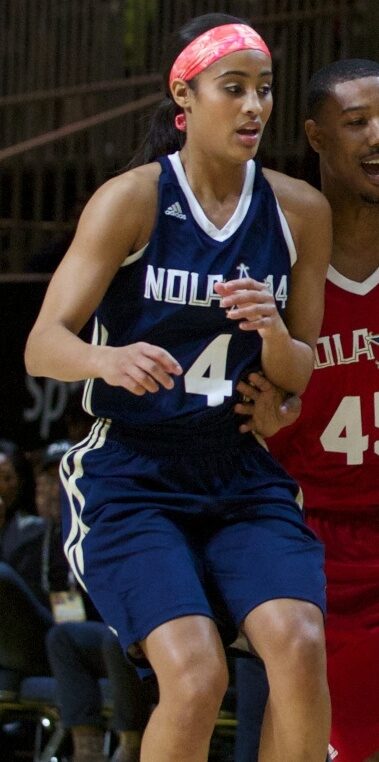
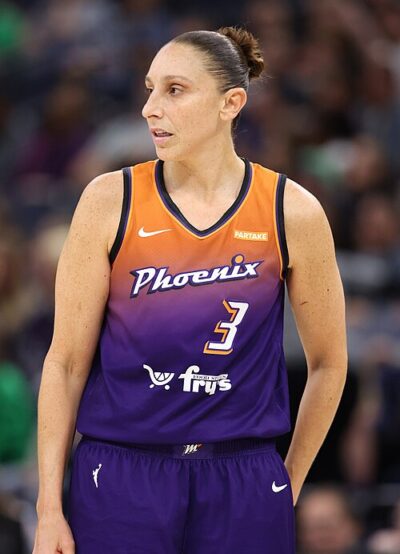
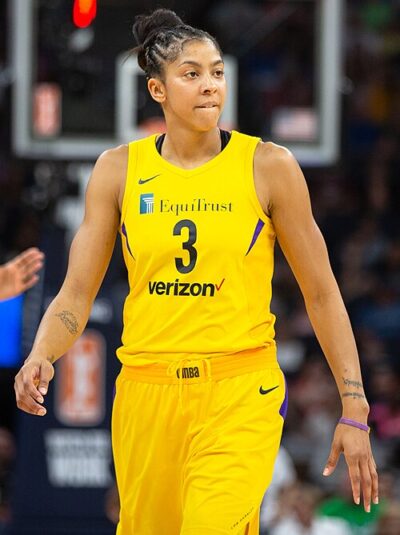
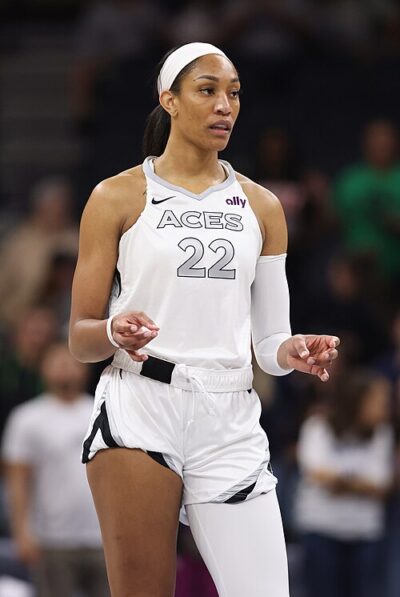
The inaugural winner was Cynthia Cooper, who would go on to win three consecutive awards. Candace Parker has won the award a record four times, while Lauren Jackson, Lisa Leslie, Diana Taurasi and A'ja Wilson have won the award three times. Only Cooper and Taurasi had their three wins in consecutive years. All winners other than Jackson, who is Australian, have been American. Winners have played all five of the standard basketball positions, the most honored position is power forward, players playing power forward have won eight awards. The award wasn't awarded in 2020 due to the COVID-19 pandemic.
From the Wikipedia article “Best WNBA Player ESPY Award” (en.wikipedia.org/wiki/Best_WNBA_Player_ESPY_Award), by its contributors, under CC BY-SA 4.0 (creativecommons.org/licenses/by-sa/4.0/). Copied 2026-11-17; not changed.
Confirmed Two sources agree. Cited One source, and it names where it got it. One source One source, without a reference of its own. Sources disagree The sources disagree. We show the best-supported value and keep theirs below.