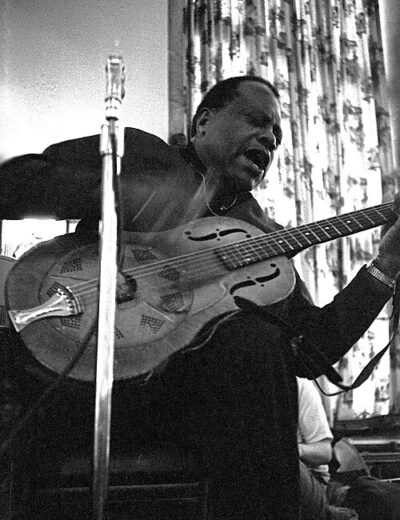
Biograph Records
Biograph Records is a record label. It was founded in 1967.
- Founded
- 1967
- Country
- United States
All 6 facts, and where they come from
Facts
6 facts · 0 confirmed by two sources · 0 cited · 6 from one source
Where this comes from
Papalocal keeps its own record. It started from these sources; what each one said is kept here as it was copied, so a change on their side never changes this page by itself. Tap one to read its version.
What Wikidata says · copied November 17, 2026 · revision 2270587347
- Described as
- record label
- What it is
- record label
- Genre
- jazz; ragtime
- Founded
- 1967 · 1 reference
- Country
- United States
- Part of
- Shout! Factory
- Wikipedias with a page
- 4
Wikidata item Q864385 (wikidata.org/wiki/Q864385), public domain (CC0). Copied 2026-11-17.
What Wikipedia says · copied November 17, 2026 · revision 1302841289
Biograph Records is a record label founded in 1967 by Arnold S. Caplin. It specialized in reissuing vintage American ragtime, jazz, and blues music. Its catalog includes titles by Bunny Berigan, Bing Crosby, The California Ramblers, Ruth Etting, Benny Goodman, Earl Hines, George Lewis, Ted Lewis, Jimmy O'Bryant, Jabbo Smith, Jack Teagarden, Ethel Waters, and Clarence Williams. The company's label are Melodeon, Center, Regal and Dawn.
In 1970 Biograph bought from QRS Records the rights to release recordings made from piano rolls. These included works by Scott Joplin and Fats Waller. Biography also purchased the catalogs of Melodeon Records and Dawn Records.
In August 2002, Biograph was acquired by Retropolis Entertainment, which in 2003 was renamed Shout! Factory by owners Richard Foos and Robert Emmer, two of the founders of the label. Between 2007 and 2008, Collectables Records reissued forty compact discs' worth of Biograph recordings.
From the Wikipedia article “Biograph Records” (en.wikipedia.org/wiki/Biograph_Records), by its contributors, under CC BY-SA 4.0 (creativecommons.org/licenses/by-sa/4.0/). Copied 2026-11-17; not changed.
Confirmed Two sources agree. Cited One source, and it names where it got it. One source One source, without a reference of its own. Sources disagree The sources disagree. We show the best-supported value and keep theirs below.