Black Lives Matter
Black Lives Matter is a social movement originating in the USA. It came out in 2013. It stands for anti-racism. It won the Sydney Peace Prize.
- Came out
- July 13, 2013
All 10 facts, and where they come from
Facts
10 facts · 0 confirmed by two sources · 7 cited · 3 from one source
Where this comes from
Papalocal keeps its own record. It started from these sources; what each one said is kept here as it was copied, so a change on their side never changes this page by itself. Tap one to read its version.
What Wikidata says · copied November 17, 2026 · revision 2553485463
- Described as
- social movement originating in the USA
- Other names
- #BlackLivesMatter, BLM
- What it is
- social movement · 1 reference
- Came out
- July 13, 2013 · 1 reference
- Founded by
- Shaun King; DeRay Mckesson; Johnetta Elzie; Tef Poe
- Country
- United States
- Ideology
- anti-racism
- Awards
- Sydney Peace Prize (2017) · 1 reference
- Official website
- https://blacklivesmatter.com/ · 1 reference
- Wikipedias with a page
- 88
Wikidata item Q19600530 (wikidata.org/wiki/Q19600530), public domain (CC0). Copied 2026-11-17.
What Wikipedia says · copied November 17, 2026 · revision 1385270562
Black Lives Matter (BLM) is a decentralized political and social movement that aims to highlight racism, discrimination and racial inequality experienced by Black people in the United States, and to promote anti-racism. Its primary concerns are police brutality and racially motivated violence against Black people. The movement began in response to the killings of Trayvon Martin, Michael Brown, Eric Garner, and Rekia Boyd, among others. BLM and its related organizations typically advocate for various policy changes related to Black liberation and criminal justice reform. While there are organizations that label themselves "Black Lives Matter", such as the Black Lives Matter Global Network Foundation, the overall movement predates those, and is a decentralized network with no formal hierarchy. As of 2021, there are about 40 chapters in the United States and Canada. The slogan "Black Lives Matter" itself has not been trademarked by any group.
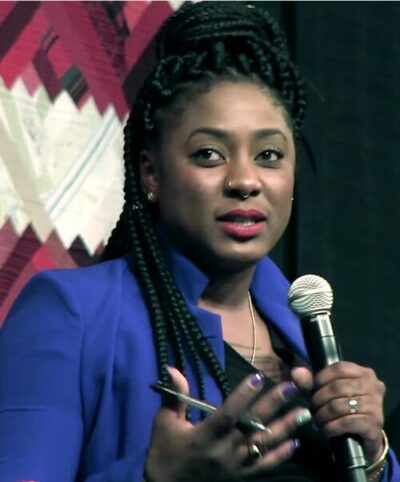
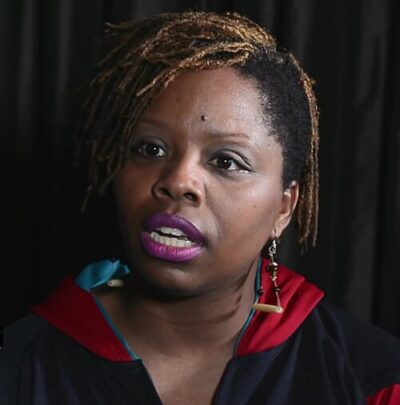
In 2013, activists and friends Alicia Garza, Patrisse Cullors, and Ayọ Tometi originated the hashtag #BlackLivesMatter on social media following the acquittal of George Zimmerman in the fatal shooting of African-American teen Trayvon Martin. The movement became nationally recognized for street demonstrations following the 2014 deaths of two more African Americans, Michael Brown—resulting in protests and unrest in Ferguson, Missouri—and Eric Garner in New York City. Since the Ferguson protests, participants in the movement have demonstrated against the deaths of numerous other African Americans by police actions or while in police custody, in the summer of 2015. The movement gained international attention during global protests in 2020 following the murder of George Floyd by Minneapolis police officer Derek Chauvin. An estimated 15 to 26 million people participated in Black Lives Matter protests in the United States, making it one of the largest protest movements in the country's history. The vast majority of BLM demonstrations in 2020 were peaceful, but BLM protests from late May to early June 2020 escalated into riots and looting in most major cities.
Support for Black Lives Matter has fluctuated in recent years. In 2020, 67% of American adults expressed support for BLM, declining to 45% of American adults in 2024. Support among people of color has, however, held strong, with 81% of African Americans, 61% of Hispanics and 63% of Asian Americans expressing support for Black Lives Matter as of 2023.
From the Wikipedia article “Black Lives Matter” (en.wikipedia.org/wiki/Black_Lives_Matter), by its contributors, under CC BY-SA 4.0 (creativecommons.org/licenses/by-sa/4.0/). Copied 2026-11-17; not changed.
Confirmed Two sources agree. Cited One source, and it names where it got it. One source One source, without a reference of its own. Sources disagree The sources disagree. We show the best-supported value and keep theirs below.
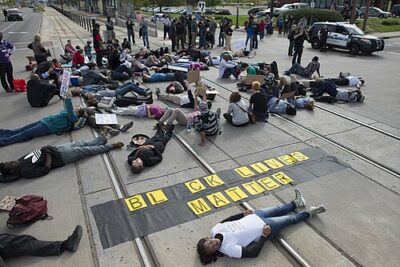
Picture: Fibonacci Blue from Minnesota, USA, via Wikimedia Commons · CC BY 2.0