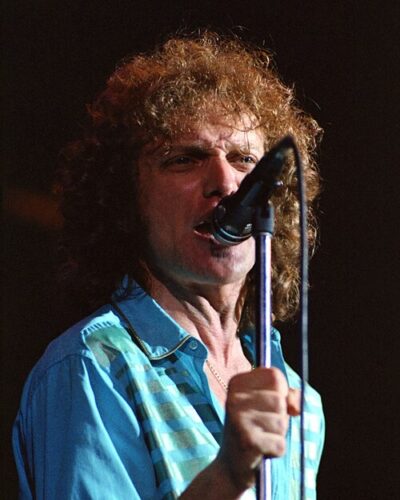
Black Sheep
Black Sheep is an US musical group.
- Record label
- Capitol Records
- Country of origin
- United States
All 3 facts, and where they come from
Facts
3 facts · 0 confirmed by two sources · 0 cited · 3 from one source
Where this comes from
Papalocal keeps its own record. It started from these sources; what each one said is kept here as it was copied, so a change on their side never changes this page by itself. Tap one to read its version.
What Wikidata says · copied November 17, 2026 · revision 2568027434
- Described as
- US musical group
- What it is
- musical group
- Country of origin
- United States
- Record label
- Capitol Records
- Wikipedias with a page
- 3
Wikidata item Q4921833 (wikidata.org/wiki/Q4921833), public domain (CC0). Copied 2026-11-17.
What Wikipedia says · copied November 17, 2026 · revision 1359463442
Black Sheep was an American, Rochester, New York-based, 1970s rock music band, one of vocalist Lou Gramm's early working bands (it followed Poor Heart, which broke up c. 1970). The group released the single "Stick Around" in 1974, the album Black Sheep in 1975, and the album Encouraging Words in late 1975. They were invited to open for Kiss on tour, but a truck accident destroyed their equipment. The band was no longer performing when Gramm was invited by Mick Jones to join the band Foreigner in 1976. Don Mancuso and Ron Rocco were later members of Cheater, a local hard rock band from Rochester that released a 10-inch record entitled Ten Cent Love Affair in 1980 on Mallard Records.
Black Sheep's bass player Bruce Turgon played on Lou Gramm's solo albums in the late 1980s (which also featured contributions from another Black Sheep alumnus, guitarist Don Mancuso) and joined Gramm in one of Foreigner's later incarnations, in 1992.
From the Wikipedia article “Black Sheep (rock band)” (en.wikipedia.org/wiki/Black_Sheep_(rock_band)), by its contributors, under CC BY-SA 4.0 (creativecommons.org/licenses/by-sa/4.0/). Copied 2026-11-17; not changed.
Confirmed Two sources agree. Cited One source, and it names where it got it. One source One source, without a reference of its own. Sources disagree The sources disagree. We show the best-supported value and keep theirs below.