Blue Is the Warmest Colour
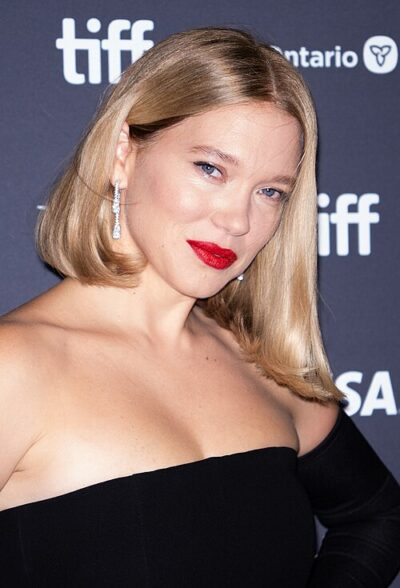
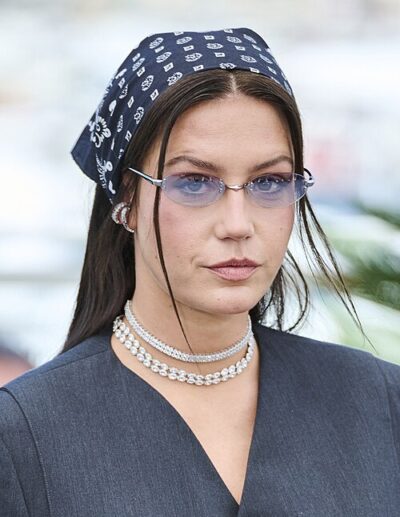
Blue Is the Warmest Colour is a 2013 film by Abdellatif Kechiche. It stars Léa Seydoux, Adèle Exarchopoulos and Jérémie Laheurte. It is based on Blue Is the Warmest Color. It is part of BBC's 100 Greatest Films of the 21st Century. It won the Palme d'Or and 7 more.
- Released
- May 23, 2013
- Directed by
- Abdellatif Kechiche
- Genre
- drama film
- Country of origin
- France
All 38 facts, and where they come from
Facts
38 facts · 0 confirmed by two sources · 20 cited · 18 from one source
Where this comes from
Papalocal keeps its own record. It started from these sources; what each one said is kept here as it was copied, so a change on their side never changes this page by itself. Tap one to read its version.
What Wikidata says · copied November 17, 2026 · revision 2564704914
- Described as
- 2013 film by Abdellatif Kechiche
- Other names
- Vie d'Adèle, La Vie d'Adèle – Chapitres 1 et 2, Blue is the Warmest Color, La Vie d'Adèle
- What it is
- film
- Directed by
- Abdellatif Kechiche · 7 references
- Music by
- Jean-Paul Hurier
- Screenplay by
- Abdellatif Kechiche · 1 reference; Ghalya Lacroix · 1 reference
- Produced by
- Abdellatif Kechiche; Brahim Chioua; Vincent Maraval
- Starring
- Léa Seydoux · 9 references; Adèle Exarchopoulos · 8 references; Jérémie Laheurte · 8 references; Catherine Salée · 5 references; Mona Walravens · 4 references; Aurélien Recoing · 5 references; Salim Kechiouche · 7 references; Anne Loiret · 3 references; Benjamin Siksou · 4 references; Karim Saidi · 2 references
- Genre
- drama film · 4 references; romance film · 6 references; coming-of-age film; LGBTQ-related film · 1 reference
- Released
- May 23, 2013 · 1 reference; October 9, 2013 · 1 reference; December 19, 2013 · 1 reference
- Original language
- French; English · 1 reference
- Country of origin
- France; Belgium
- Based on
- Blue Is the Warmest Color
- Part of the series
- BBC's 100 Greatest Films of the 21st Century · 1 reference
- Awards
- Palme d'Or (2013) · 1 reference; Louis Delluc Prize (2013); FIPRESCI Prize of the Festival de Cannes (2013); BIFA for Best Foreign Independent Film (2013); Broadcast Film Critics Association Award for Best Foreign Language Film (2013); Broadcast Film Critics Association Award for Best Young Performer (2013); National Society of Film Critics Award for Best Foreign Language Film (2013); César Award for Best Female Revelation (2014)
- Official website
- http://www.ifcfilms.com/films/blue-is-the-warmest-color
- Wikipedias with a page
- 51
Wikidata item Q11648811 (wikidata.org/wiki/Q11648811), public domain (CC0). Copied 2026-11-17.
What Wikipedia says · copied November 17, 2026 · revision 1385758969
Blue Is the Warmest Colour (French: La Vie d'Adèle – Chapitres 1 & 2, lit. 'The Life of Adèle: Chapters 1 & 2'; French pronunciation: [la vi dadɛl ʃapitʁ œ̃ e dø]) is a 2013 erotic romantic drama film co-written, co-produced, and directed by Abdellatif Kechiche and starring Léa Seydoux and Adèle Exarchopoulos. The film follows Adèle (Exarchopoulos), a French teenager, who discovers desire and freedom when Emma (Seydoux), an aspiring painter, enters her life. It depicts their sexual relationship from Adèle's high school years to her early adult life and career as a schoolteacher. The film's premise is based on the 2010 graphic novel of the same name by Jul Maroh.
Production began in March 2012 and lasted five months. Approximately 800 hours of footage were shot, including extensive B-roll footage, with Kechiche trimming the final cut to 180 minutes. The film generated controversy, much of it about allegations by the crew and lead actresses of poor working conditions on set and the film's explicit depiction of sexuality.
At the 2013 Cannes Film Festival, the film unanimously won the Palme d'Or from the official jury and the FIPRESCI Prize. It is the first film to have the Palme d'Or awarded to both the director and the lead actresses, with Seydoux and Exarchopoulos joining Jane Campion (The Piano), Julia Ducournau (Titane), and Justine Triet (Anatomy of a Fall) as the only women to have won the award. It received critical acclaim and was nominated for the Golden Globe Award for Best Non-English Language Film and the BAFTA Award for Best Film Not in the English Language. Many critics declared it one of the best films of 2013.
From the Wikipedia article “Blue Is the Warmest Colour” (en.wikipedia.org/wiki/Blue_Is_the_Warmest_Colour), by its contributors, under CC BY-SA 4.0 (creativecommons.org/licenses/by-sa/4.0/). Copied 2026-11-17; not changed.
Confirmed Two sources agree. Cited One source, and it names where it got it. One source One source, without a reference of its own. Sources disagree The sources disagree. We show the best-supported value and keep theirs below.
Picture: Wikimedia Commons: La Vie d'Adèle casting Cannes 2013.jpg · See Commons file page