Boltzmann constant
Boltzmann constant is a Physical constant relating energy with temperature and other intensive physical quantities.
All 4 facts, and where they come from
Facts
4 facts · 0 confirmed by two sources · 0 cited · 4 from one source
Where this comes from
Papalocal keeps its own record. It started from these sources; what each one said is kept here as it was copied, so a change on their side never changes this page by itself. Tap one to read its version.
What Wikidata says · copied November 17, 2026 · revision 2567933730
- Described as
- Physical constant relating energy with temperature and other intensive physical quantities
- What it is
- physical constant; UCUM constant; entropy
- Named after
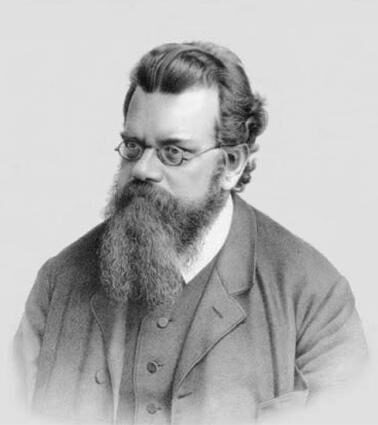
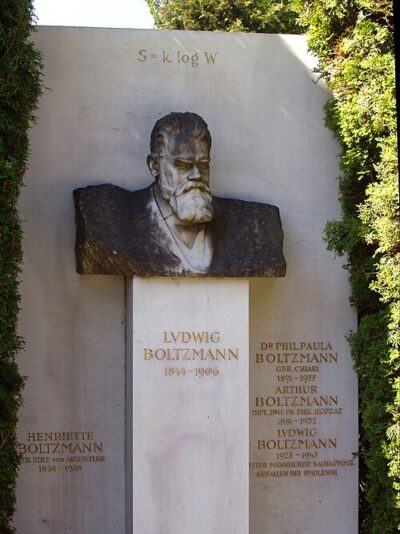
- Ludwig Boltzmann
- Wikipedias with a page
- 72
Wikidata item Q5962 (wikidata.org/wiki/Q5962), public domain (CC0). Copied 2026-11-17.
What Wikipedia says · copied November 17, 2026 · revision 1379116265
The Boltzmann constant (kB or k) is the proportionality factor that relates the average relative thermal energy of particles in a gas with the thermodynamic temperature of the gas. It occurs in the definitions of the kelvin (K) and the molar gas constant, in Planck's law of black-body radiation and Boltzmann's entropy formula, and is used in calculating thermal noise in resistors. The Boltzmann constant has dimensions of energy divided by temperature, the same as entropy and heat capacity. It is named after the Austrian scientist Ludwig Boltzmann.
As part of the 2019 revision of the SI, the Boltzmann constant is one of the seven "defining constants" that have been defined so as to have exact finite decimal values in SI units. They are used in various combinations to define the seven SI base units. The Boltzmann constant is defined to be exactly 1.380649×10⁻²³ joules per kelvin, with the effect of defining the SI unit kelvin.
From the Wikipedia article “Boltzmann constant” (en.wikipedia.org/wiki/Boltzmann_constant), by its contributors, under CC BY-SA 4.0 (creativecommons.org/licenses/by-sa/4.0/). Copied 2026-11-17; not changed.
Confirmed Two sources agree. Cited One source, and it names where it got it. One source One source, without a reference of its own. Sources disagree The sources disagree. We show the best-supported value and keep theirs below.
Picture: Daderot at English Wikipedia, via Wikimedia Commons · CC BY-SA 3.0