Bruford Levin Upper Extremities
Bruford Levin Upper Extremities is an American musical group. It was founded in 1998.
- Founded
- 1998
- Genre
- blues
- Record label
- Discipline Global Mobile
- Country of origin
- United States
All 5 facts, and where they come from
Facts
5 facts · 0 confirmed by two sources · 0 cited · 5 from one source
Where this comes from
Papalocal keeps its own record. It started from these sources; what each one said is kept here as it was copied, so a change on their side never changes this page by itself. Tap one to read its version.
What Wikidata says · copied November 17, 2026 · revision 2242415482
- Described as
- American musical group
- Other names
- B.L.U.E.
- What it is
- musical group
- Genre
- blues · 1 reference
- Country of origin
- United States
- Record label
- Discipline Global Mobile
- Founded
- 1998
- Wikipedias with a page
- 2
Wikidata item Q4978664 (wikidata.org/wiki/Q4978664), public domain (CC0). Copied 2026-11-17.
What Wikipedia says · copied November 17, 2026 · revision 1294574889
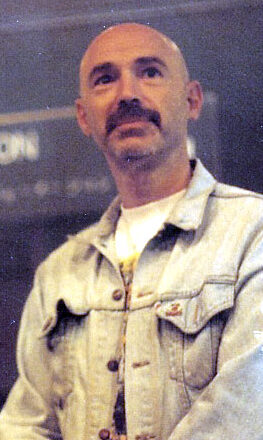
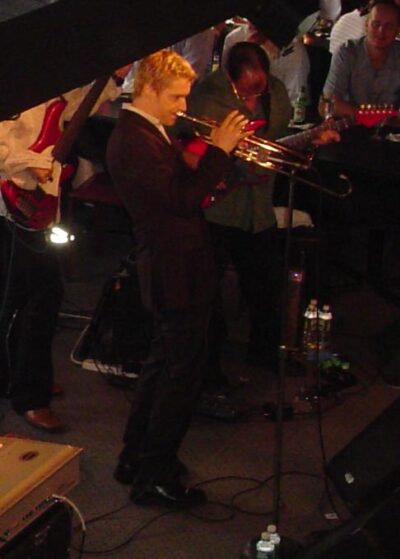
Bruford Levin Upper Extremities (B.L.U.E.) was a musical group comprising drummer Bill Bruford, bassist Tony Levin, guitarist David Torn, and trumpeter Chris Botti.
The group's origins can be traced to Torn's ECM Records album Cloud About Mercury (1987), which featured Levin and Bruford, along with Mark Isham on trumpet. Recognizing the chemistry in their collaborative work, the musicians maintained contact and formed B.L.U.E. in the late 1990s under the joint leadership of Bruford and Levin. Chris Botti assumed the trumpeter's role, as Isham was touring with his own band at the time.
The band blended an unusual combination of elements, including jazz, blues, rock and ambient music, to create a unique sound. Bruford and Levin were both longtime members of King Crimson.
From the Wikipedia article “Bruford Levin Upper Extremities” (en.wikipedia.org/wiki/Bruford_Levin_Upper_Extremities), by its contributors, under CC BY-SA 4.0 (creativecommons.org/licenses/by-sa/4.0/). Copied 2026-11-17; not changed.
Confirmed Two sources agree. Cited One source, and it names where it got it. One source One source, without a reference of its own. Sources disagree The sources disagree. We show the best-supported value and keep theirs below.