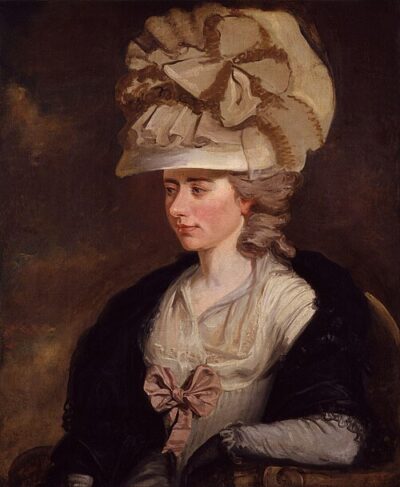
Camilla
Camilla is a 1796 novel. It was written by Frances Burney.
- Published
- 1796
- Written by
- Frances Burney
All 4 facts, and where they come from
Facts
4 facts · 0 confirmed by two sources · 0 cited · 4 from one source
Where this comes from
Papalocal keeps its own record. It started from these sources; what each one said is kept here as it was copied, so a change on their side never changes this page by itself. Tap one to read its version.
What Wikidata says · copied November 17, 2026 · revision 2492207989
- Described as
- 1796 novel
- Other names
- Camilla: or a Picture of Youth
- What it is
- literary work
- Written by
- Frances Burney
- Published
- 1796
- Language
- English
- Wikipedias with a page
- 5
Wikidata item Q2934813 (wikidata.org/wiki/Q2934813), public domain (CC0). Copied 2026-11-17.
What Wikipedia says · copied November 17, 2026 · revision 1384303942
Camilla, subtitled A Picture of Youth, is a novel by Frances Burney, first published in 1796. Camilla deals with the matrimonial concerns of a group of young people: Camilla Tyrold and her sisters, the sweet tempered Lavinia and the smallpox scarred Eugenia, and their cousin, the beautiful Indiana Lynmere—and in particular, with the love affair between Camilla herself and her eligible suitor, Edgar Mandlebert. They have many hardships, however, caused by misunderstandings and mistakes, in the path of true love.
Camilla was published by subscription, a Georgian version of crowdfunding. Amongst the 1058 subscribers listed were Elizabeth Montagu, Hannah More, Ann Radcliffe, and Jane Austen. This was the first occasion in her lifetime that Jane Austen's name appeared in print.
From the Wikipedia article “Camilla (Burney novel)” (en.wikipedia.org/wiki/Camilla_(Burney_novel)), by its contributors, under CC BY-SA 4.0 (creativecommons.org/licenses/by-sa/4.0/). Copied 2026-11-17; not changed.
Confirmed Two sources agree. Cited One source, and it names where it got it. One source One source, without a reference of its own. Sources disagree The sources disagree. We show the best-supported value and keep theirs below.