
canon
Canon is a cleric; member of certain bodies subject to an ecclesiastical rule.
All 3 facts, and where they come from
Facts
3 facts · 0 confirmed by two sources · 0 cited · 3 from one source
Where this comes from
Papalocal keeps its own record. It started from these sources; what each one said is kept here as it was copied, so a change on their side never changes this page by itself. Tap one to read its version.
What Wikidata says · copied November 17, 2026 · revision 2553359949
- Described as
- cleric; member of certain bodies subject to an ecclesiastical rule
- What it is
- Christian religious occupation; title of honor; ecclesiastical occupation
- Wikipedias with a page
- 51
Wikidata item Q1104153 (wikidata.org/wiki/Q1104153), public domain (CC0). Copied 2026-11-17.
What Wikipedia says · copied November 17, 2026 · revision 1372003457
Canon (Ancient Greek: κανονικός, romanized: kanonikós) is a Christian title usually used to refer to a member of certain bodies in subject to an ecclesiastical rule.
Originally, a canon was a cleric living with others in a clergy house or, later, in one of the houses within the precinct of or close to a cathedral or other major church and conducting his life according to the customary discipline or rules of the church. This way of life grew common (and is first documented) in the 8th century AD. In the 11th century, some churches required clergy thus living together to adopt the rule first proposed by Saint Augustine that they renounce private wealth. Those who embraced this change were known as Augustinians or Canons Regular, whilst those who did not were known as secular canons.
From the Wikipedia article “Canon (title)” (en.wikipedia.org/wiki/Canon_(title)), by its contributors, under CC BY-SA 4.0 (creativecommons.org/licenses/by-sa/4.0/). Copied 2026-11-17; not changed.
Confirmed Two sources agree. Cited One source, and it names where it got it. One source One source, without a reference of its own. Sources disagree The sources disagree. We show the best-supported value and keep theirs below.
People connected 13
Occupation
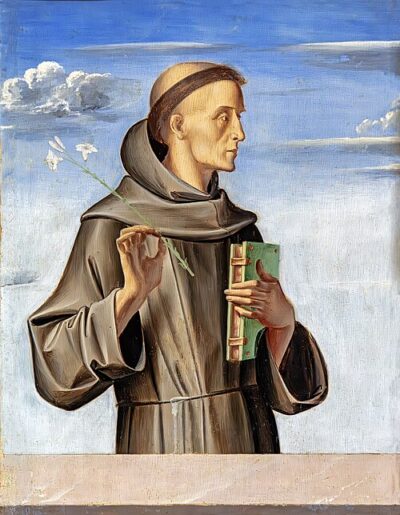 Anthony of PaduaFranciscan saint, Doctor of the Church (1195–1231)
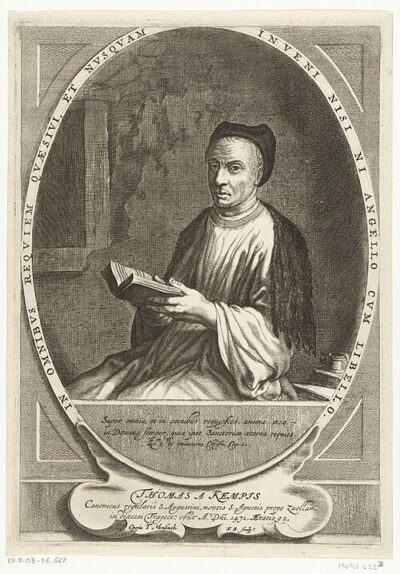 Thomas à KempisGerman canon regular
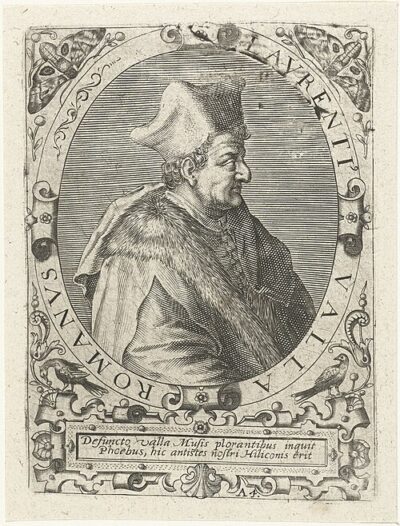 Lorenzo VallaItalian Renaissance humanist (c. 1407–1457)
- AAdam of Bremen11th-century German historian and chronicler
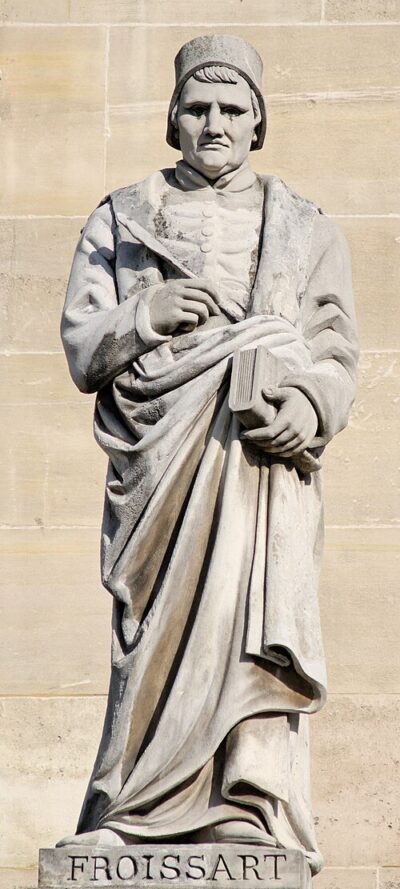 Jean FroissartFrench writer
 Archduke Rudolf of AustriaAustrian cardinal
 Johann Wilhelm Ludwig GleimGerman poet (1719–1803)
 Guy de ChauliacFrench surgeon (ca. 1300-1368)
 Henrybishop of Finland
Held this office
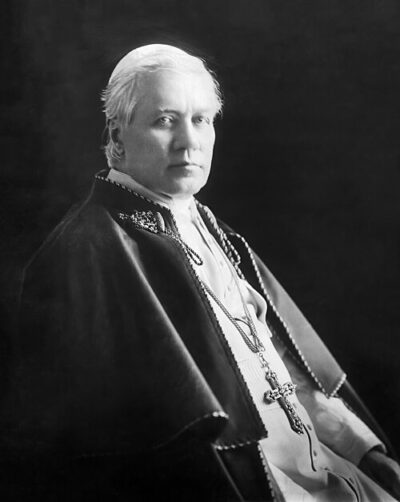 Pius X (1875–1884)Pope of the Catholic Church from 1903 to 1914, saint
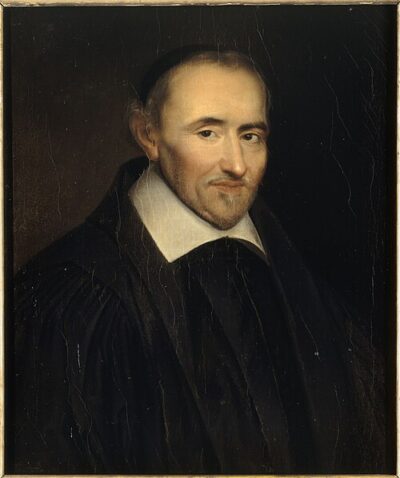 Pierre Gassendi (1614–1634)French philosopher, astronomer, mathematician, priest, and scientist (*1592 – †1655)
 Peter II, Count of Savoy (1230–)13th century Savoian and English noble
 Robert de SorbonFrench theologian, the chaplain of Louis IX of France and founder of the Sorbonne college in Paris
