
canoness
Canoness is a Christian religious occupation.
All 1 facts, and where they come from
Facts
1 facts · 0 confirmed by two sources · 0 cited · 1 from one source
Where this comes from
Papalocal keeps its own record. It started from these sources; what each one said is kept here as it was copied, so a change on their side never changes this page by itself. Tap one to read its version.
What Wikidata says · copied November 17, 2026 · revision 2531645646
- Described as
- nun
- What it is
- Christian religious occupation
- Wikipedias with a page
- 7
Wikidata item Q913870 (wikidata.org/wiki/Q913870), public domain (CC0). Copied 2026-11-17.
What Wikipedia says · copied November 17, 2026 · revision 1366038809
A canoness is a member of a religious community of women, historically a stable community dedicated to the celebration of the Liturgy of the Hours in a particular church. The name corresponds to a canon, the male equivalent, and both roles share a common historical origin. As with the canons, there are two types: canonesses regular, who follow the Rule of St Augustine, and secular canonesses, who follow no monastic rule of life.
In the 21st century, the term has come to extend to women exercising the historically male role of canon in some Anglican context. Many female Anglican clerics however use the title canon and not canoness (see Male as norm), e.g., Sarah Foot.
From the Wikipedia article “Canoness” (en.wikipedia.org/wiki/Canoness), by its contributors, under CC BY-SA 4.0 (creativecommons.org/licenses/by-sa/4.0/). Copied 2026-11-17; not changed.
Confirmed Two sources agree. Cited One source, and it names where it got it. One source One source, without a reference of its own. Sources disagree The sources disagree. We show the best-supported value and keep theirs below.
People connected 3
Occupation
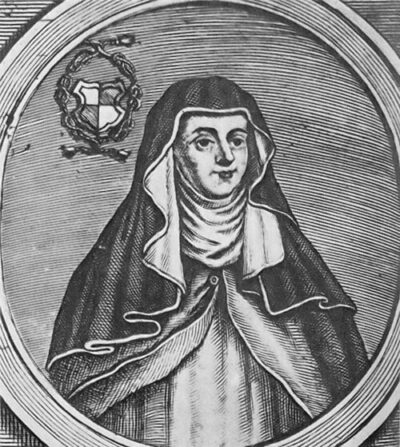 HrotsvithaGerman secular canoness, dramatist, and poet
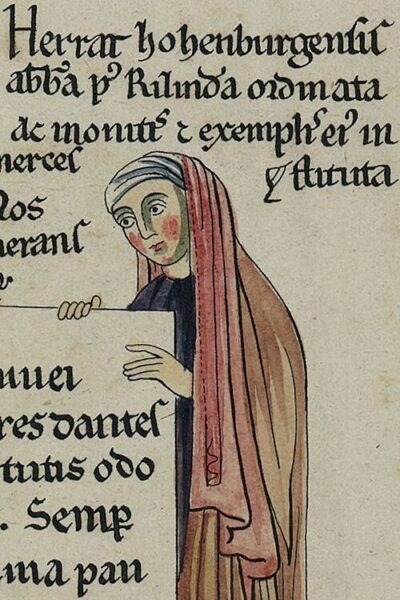 Herrad of LandsbergAbbess, author and illustrator from Alsace (c. 1130 – 1195)
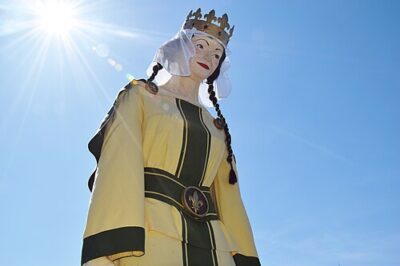 GiselaFrankish noble, daughter of Louis the Pious
