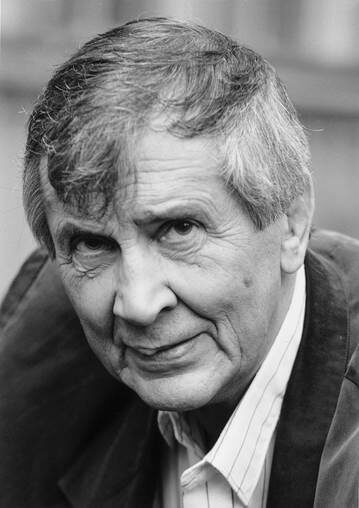
Cantus Arcticus
Cantus Arcticus is a 1972 composition by Einojuhani Rautavaara.
- Released
- 1972
- Genre
- classical music
- Country of origin
- Finland
All 5 facts, and where they come from
Facts
5 facts · 0 confirmed by two sources · 0 cited · 5 from one source
Where this comes from
Papalocal keeps its own record. It started from these sources; what each one said is kept here as it was copied, so a change on their side never changes this page by itself. Tap one to read its version.
What Wikidata says · copied November 17, 2026 · revision 2570483671
- Described as
- 1972 composition by Einojuhani Rautavaara
- Other names
- Cantus arcticus, op. 61
- What it is
- musical work/composition
- Music by
- Einojuhani Rautavaara
- Genre
- classical music
- Released
- 1972
- Country of origin
- Finland
- Wikipedias with a page
- 10
Wikidata item Q5034079 (wikidata.org/wiki/Q5034079), public domain (CC0). Copied 2026-11-17.
What Wikipedia says · copied November 17, 2026 · revision 1378068881
Cantus Arcticus, also known as Concerto for Birds and Orchestra, is a three-part orchestral work by the Finnish composer Einojuhani Rautavaara that incorporates tape recordings of birdsong.
Commissioned by Oulu University for its first doctoral conferment ceremony, Cantus Arcticus was premiered in Oulu on 18 October 1972 by the Oulu Symphony Orchestra conducted by Stephen Portman. The score was published the same year. The work is dedicated to Urho Kekkonen, who was president of Finland at the time.
Cantus Arcticus has enjoyed wide popularity. The reasons cited include the work's resemblance to familiar tonal music; the way it links music with nature by using recorded birdsong; the novelty of combining such recordings with a live orchestra; and its association with an idealised and exoticised version of Finland's culture and landscape. The work's appeal is also shown by its use in other musical contexts, including jazz compositions and film music.
From the Wikipedia article “Cantus Arcticus” (en.wikipedia.org/wiki/Cantus_Arcticus), by its contributors, under CC BY-SA 4.0 (creativecommons.org/licenses/by-sa/4.0/). Copied 2026-11-17; not changed.
Confirmed Two sources agree. Cited One source, and it names where it got it. One source One source, without a reference of its own. Sources disagree The sources disagree. We show the best-supported value and keep theirs below.