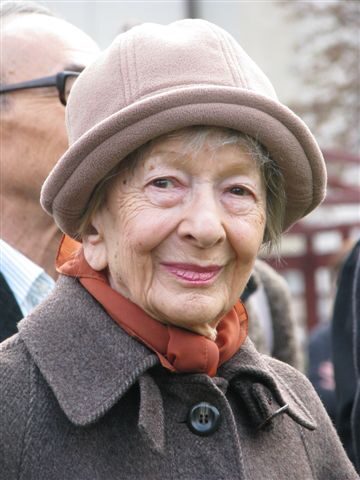
Cat in an Empty Apartment
Cat in an Empty Apartment is a poem by Wisława Szymborska. It came out in 1991.
- Published
- 1991
- Written by
- Wisława Szymborska
All 4 facts, and where they come from
Facts
4 facts · 0 confirmed by two sources · 0 cited · 4 from one source
Where this comes from
Papalocal keeps its own record. It started from these sources; what each one said is kept here as it was copied, so a change on their side never changes this page by itself. Tap one to read its version.
What Wikidata says · copied November 17, 2026 · revision 2559215782
- Described as
- poem by Wisława Szymborska
- What it is
- literary work
- Written by
- Wisława Szymborska
- Published
- 1991
- Language
- Polish
- Wikipedias with a page
- 6
Wikidata item Q1736866 (wikidata.org/wiki/Q1736866), public domain (CC0). Copied 2026-11-17.
What Wikipedia says · copied November 17, 2026 · revision 1374389032
"Cat in an Empty Apartment" (Polish: Kot w pustym mieszkaniu) is a poem by the Polish poet Wisława Szymborska. It was written after the death of her partner, the Polish writer Kornel Filipowicz, who died in February 1990. At the center of the poem is a house cat waiting in an abandoned apartment for its deceased owner. The point of view of a cat that cannot grasp death leads to an unusual view of human mortality.
Szymborska published the poem in the magazine Odra in 1991 and included it in her poetry collection Koniec i początek (The End and the Beginning) in 1993. Especially after Szymborska was awarded the Nobel Prize in Literature in 1996, the poem found international distribution in numerous translations. It became one of her best-known and most popular poems, especially in Poland.
From the Wikipedia article “Cat in an Empty Apartment” (en.wikipedia.org/wiki/Cat_in_an_Empty_Apartment), by its contributors, under CC BY-SA 4.0 (creativecommons.org/licenses/by-sa/4.0/). Copied 2026-11-17; not changed.
Confirmed Two sources agree. Cited One source, and it names where it got it. One source One source, without a reference of its own. Sources disagree The sources disagree. We show the best-supported value and keep theirs below.