Chant du départ
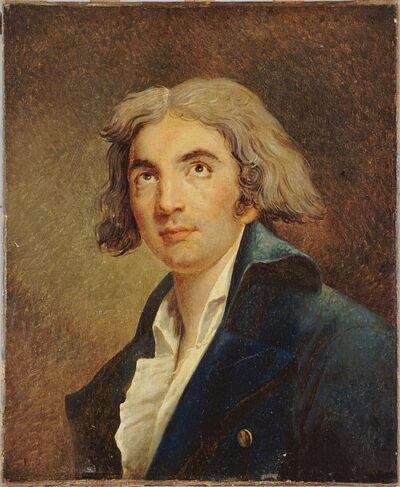
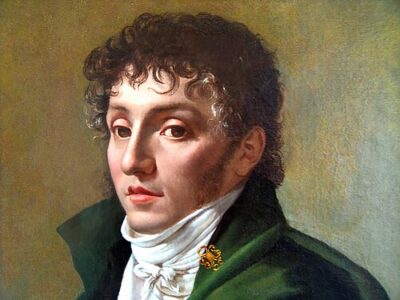
Chant du départ is a French revolutionary composed by Étienne Méhul, lyrics by Marie-Joseph Chénier. It came out in 1794.
- Released
- July 14, 1794
- Genre
- march
- Country of origin
- France
All 6 facts, and where they come from
Facts
6 facts · 0 confirmed by two sources · 0 cited · 6 from one source
Where this comes from
Papalocal keeps its own record. It started from these sources; what each one said is kept here as it was copied, so a change on their side never changes this page by itself. Tap one to read its version.
What Wikidata says · copied November 18, 2026 · revision 2569348204
- Described as
- French revolutionary composed by Étienne Méhul, lyrics by Marie-Joseph Chénier
- Other names
- Chant du depart
- What it is
- musical work/composition
- Music by
- Étienne Méhul
- Genre
- march
- Released
- July 14, 1794
- Language
- French
- Country of origin
- France
- Wikipedias with a page
- 19
Wikidata item Q1365006 (wikidata.org/wiki/Q1365006), public domain (CC0). Copied 2026-11-18.
What Wikipedia says · copied November 18, 2026 · revision 1365694939
"Le Chant du départ" (French: [lə ʃɑ̃ dy de.paʁ]; lit. 'The Song of Departure') is a French revolutionary war song, composed by Étienne Méhul and written by Marie-Joseph Chénier in 1794. It was the official anthem of the French Empire, and it is currently the unofficial regional anthem of French Guiana and the official presidential anthem of France.
The song was nicknamed "the brother of the Marseillaise" by French Republican soldiers.
The song was first performed on 14 July 1794. 18,000 copies of the music sheets were immediately printed and distributed to the army. Its original title was "Anthem to Liberty"; it was changed to its present title by Robespierre.
The song is a musical tableau: each of the seven stanzas is sung by a different character or group of characters:The first stanza is the discourse of a deputy cheering his soldiers and encouraging them for the fight for the Republic.
The second stanza is the song of a mother offering the life of her son to the fatherland.
The fourth stanza is sung by children exalting Joseph Agricol Viala and Joseph Bara, children aged 15 and 13, respectively, who had died for Revolutionary France. According to legend, Bara was surrounded by royalist Vendeans, when he was ordered to shout "Long live Louis XVII"; he shouted "Long live the Republic" instead and was executed on the spot. Viala was killed by a bullet as he was trying to sabotage an enemy bridge. His last words were "I die, but I die for the Republic."
The song is still in the repertoire of the French Army. It was sung during World War I. Valéry Giscard d'Estaing used it as his campaign song for the presidential election of 1974; as a president, he often had it played by troops along with the "Marseillaise".
From the Wikipedia article “Chant du départ” (en.wikipedia.org/wiki/Chant_du_départ), by its contributors, under CC BY-SA 4.0 (creativecommons.org/licenses/by-sa/4.0/). Copied 2026-11-18; not changed.
Confirmed Two sources agree. Cited One source, and it names where it got it. One source One source, without a reference of its own. Sources disagree The sources disagree. We show the best-supported value and keep theirs below.