
Charlie Hebdo
Charlie Hebdo is a French satirical weekly newspaper. It was founded in 1970. Its headquarters are in Paris. It won the Victor Prize and 2 more.
All 15 facts, and where they come from
Facts
15 facts · 0 confirmed by two sources · 4 cited · 11 from one source
Where this comes from
Papalocal keeps its own record. It started from these sources; what each one said is kept here as it was copied, so a change on their side never changes this page by itself. Tap one to read its version.
What Wikidata says · copied November 17, 2026 · revision 2547879801
- Described as
- French satirical weekly newspaper
- What it is
- satirical newspaper
- Genre
- political satire; satirical newspaper
- Language
- French · 1 reference
- Country of origin
- France · 1 reference
- Comes after
- Hara-Kiri
- Founded
- 1970
- Headquarters
- Paris
- Country
- France
- Owned by
- Laurent Sourisseau
- Awards
- Victor Prize (2015) · 1 reference; Grand prix de la ville d'Angoulême (2015); honorary citizen of Paris (2015)
- Named after
- Charlie Brown · 1 reference
- Official website
- https://charliehebdo.fr
- Wikipedias with a page
- 98
Wikidata item Q1043104 (wikidata.org/wiki/Q1043104), public domain (CC0). Copied 2026-11-17.
What Wikipedia says · copied November 17, 2026 · revision 1386060173
Charlie Hebdo (French: [ʃaʁli ɛbdo]; French for 'Charlie Weekly') is a French satirical weekly news magazine founded by François Cavanna and Professeur Choron in 1970, featuring cartoons, reports, polemics, and jokes. The publication has been described as anti-racist, sceptical, secular, libertarian, and within the tradition of left-wing radicalism, publishing articles criticizing right-wing conservative or far-right movements (especially the French nationalist National Rally party), religion (Christianity, Islam, and Judaism), politics and culture.
Charlie Hebdo has been the target of three terrorist attacks: in 2011, 2015, and 2020. All of them were presumed to be in response to a number of cartoons that it published controversially depicting Muhammad. In the second of these attacks, 12 people were killed, including publishing director Charb and several other prominent cartoonists. In the aftermath, Charlie Hebdo and its publications became internationally recognized as symbols of free speech, culminating in the "Je Suis Charlie" ("I am Charlie") movement, which underscored the global defense of freedom of expression and opposition to censorship.
Since its founding, Charlie Hebdo has been a vocal advocate for free expression and secularism, using satire to critique organized religion, political movements, and other centers of power. Charlie Hebdo first appeared in 1970 after the monthly Hara-Kiri magazine was banned for mocking the death of a former French president, Charles de Gaulle. In 1981, publication ceased, but the magazine was resurrected in 1992. The magazine is published every Wednesday, with special editions issued on an unscheduled basis sporadically. Gérard Biard is the current editor-in-chief of Charlie Hebdo. The previous editors were François Cavanna (1970–1981) and Philippe Val (1992–2009).
From the Wikipedia article “Charlie Hebdo” (en.wikipedia.org/wiki/Charlie_Hebdo), by its contributors, under CC BY-SA 4.0 (creativecommons.org/licenses/by-sa/4.0/). Copied 2026-11-17; not changed.
Confirmed Two sources agree. Cited One source, and it names where it got it. One source One source, without a reference of its own. Sources disagree The sources disagree. We show the best-supported value and keep theirs below.
People connected 7
Worked here
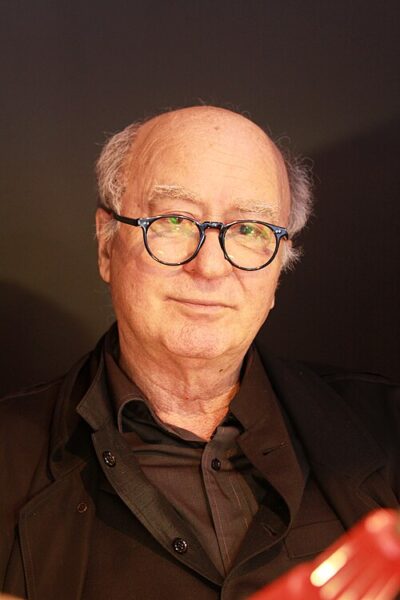 Georges WolinskiFrench cartoonist (1934-2015)
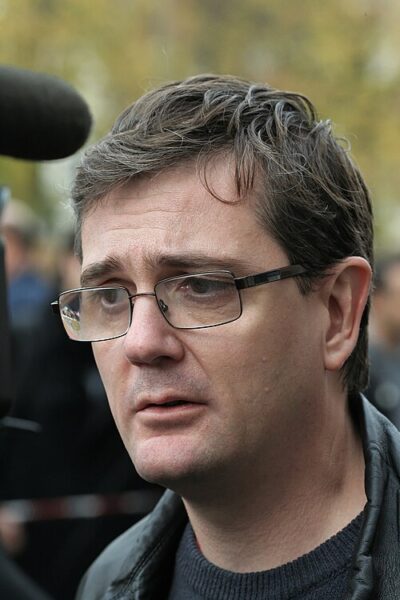 Charb (2009–2015)French caricaturist and journalist (1967-2015)
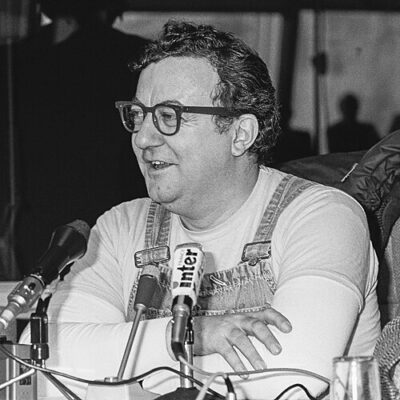 ColucheFrench comedian and actor (1944-1986)
 CabuFrench comic strip artist and caricaturist (1938-2015)
 TignousFrench cartoonist (1957-2015)
 RenaudFrench singer, songwriter and actor
 Philippe HonoréFrench cartoonist
