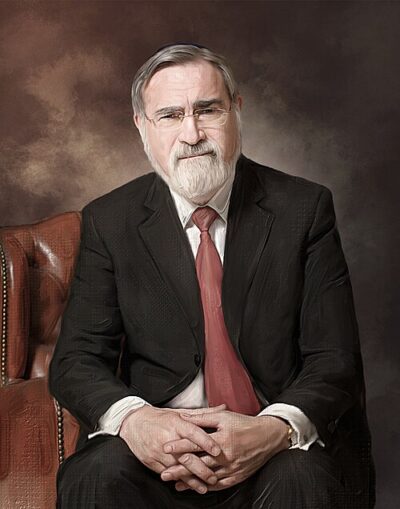
Chief Rabbi
Chief Rabbi is a title given in several countries to the recognized religious leader of that country's Jewish community.
All 2 facts, and where they come from
Facts
2 facts · 0 confirmed by two sources · 0 cited · 2 from one source
Where this comes from
Papalocal keeps its own record. It started from these sources; what each one said is kept here as it was copied, so a change on their side never changes this page by itself. Tap one to read its version.
What Wikidata says · copied November 17, 2026 · revision 2570442535
- Described as
- title given in several countries to the recognized religious leader of that country's Jewish community
- What it is
- Jewish religious occupation; position
- Wikipedias with a page
- 19
Wikidata item Q4501412 (wikidata.org/wiki/Q4501412), public domain (CC0). Copied 2026-11-17.
What Wikipedia says · copied November 17, 2026 · revision 1385326745
Chief Rabbi (Hebrew: רַב רָאשִׁי, romanized: Rav Roshi) is a title given in several countries to the recognized religious leader of that country's Jewish community, or to a rabbinic leader appointed by the local secular authorities. Since 1911, through a capitulation by Ben-Zion Meir Hai Uziel, Israel has had two chief rabbis, one Ashkenazi and one Sephardi.
Cities with large Jewish communities may also have their own chief rabbis; this is especially the case in Israel but has also been past practice in major Jewish centers in Europe prior to the Holocaust. North American cities rarely have chief rabbis. One exception however is Montreal, with two—one for the Ashkenazi community, the other for the Sephardi.
Jewish law provides no scriptural or Talmudic support for the post of a "chief rabbi." The office, however, is said by many to find its precedent in the religio-political authority figures of Jewish antiquity (e.g., kings, high priests, patriarchs, exilarchs and geonim). The position arose in Europe in the Middle Ages from governing authorities largely for secular administrative reasons such as collecting taxes and registering vital statistics, and for providing an intermediary between the government and the Jewish community, for example in the establishment of the Crown rabbi in several kingdoms of the Iberian Peninsula, the rab de la corte in the Kingdom of Castile or the arrabi mor in the Kingdom of Portugal, likely influenced by the expectations of their Catholic, Eastern Orthodox, and Anglican governments and neighbors. Similarly, in the 19th century there was a Crown rabbi of the Russian Empire.
From the Wikipedia article “Chief Rabbi” (en.wikipedia.org/wiki/Chief_Rabbi), by its contributors, under CC BY-SA 4.0 (creativecommons.org/licenses/by-sa/4.0/). Copied 2026-11-17; not changed.
Confirmed Two sources agree. Cited One source, and it names where it got it. One source One source, without a reference of its own. Sources disagree The sources disagree. We show the best-supported value and keep theirs below.