Coca-Cola
Coca-Cola is a carbonated brown-colored soft drink. It came out in 1886.
- Came out
- May 8, 1886
- Country of origin
- United States
All 10 facts, and where they come from
Facts
10 facts · 0 confirmed by two sources · 1 cited · 9 from one source
Where this comes from
Papalocal keeps its own record. It started from these sources; what each one said is kept here as it was copied, so a change on their side never changes this page by itself. Tap one to read its version.
What Wikidata says · copied November 16, 2026 · revision 2569197170
- Described as
- carbonated brown-colored soft drink
- Other names
- Coke, COCA-COLA, Coca Cola, CocaCola
- What it is
- drink brand; trademark; tangible good
- Country of origin
- United States
- Came out
- May 8, 1886 · 2 references
- Country
- United States
- Owned by
- The Coca-Cola Company
- Named after
- Erythroxylum coca; kola nut
- Official website
- https://www.coca-cola.com/
- Wikipedias with a page
- 154
Wikidata item Q2813 (wikidata.org/wiki/Q2813), public domain (CC0). Copied 2026-11-16.
What Wikipedia says · copied November 16, 2026 · revision 1384251035
Coca-Cola, or Coke, is a cola soft drink manufactured by the Coca-Cola Company. In 2013, Coke products were sold in over 200 countries and territories worldwide, with consumers drinking more than 1.8 billion company beverage servings each day. Coca-Cola ranked No. 94 in the 2024 Fortune 500 list of the largest United States corporations by revenue. Based on Interbrand's "best global brand" study of 2023, Coca-Cola was the world's sixth most valuable brand.
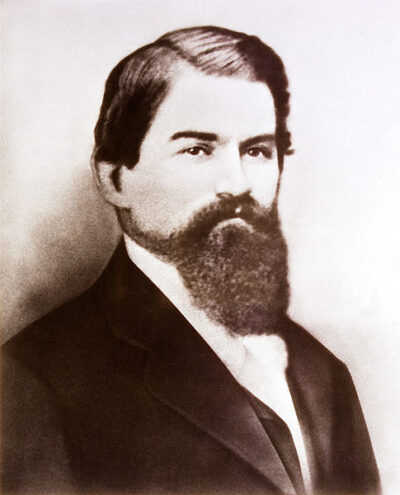
Originally marketed as a temperance drink and intended as a patent medicine, Coca-Cola was invented in the late 19th century by John Stith Pemberton in Atlanta. In 1888, Pemberton sold the ownership rights to Asa Griggs Candler, a businessman, whose marketing tactics led Coca-Cola to its dominance of the global soft-drink market throughout the 20th and 21st centuries. The name refers to two of its original ingredients: coca leaves and kola nuts (a source of caffeine). The formula of Coca-Cola remains a trade secret; however, a variety of reported recipes and experimental recreations have been published. The secrecy around the formula has been used by Coca-Cola as a marketing aid because only a handful of anonymous employees know the formula. The drink has inspired imitators and created a whole classification of soft drink: colas.
The Coca-Cola Company produces concentrate, which is then sold to licensed Coca-Cola bottlers throughout the world. The bottlers, who hold exclusive territory contracts with the company, produce the finished product in cans and bottles from the concentrate, in combination with filtered water and sweeteners. A typical 12 fl oz (355 mL) can contains 38 grams (1.3 oz) of sugar (usually in the form of high-fructose corn syrup in North America). The bottlers then sell, distribute, and merchandise Coca-Cola to retail stores, restaurants, and vending machines throughout the world. The Coca-Cola Company also sells concentrate for soda fountains of major restaurants and foodservice distributors.
The Coca-Cola Company has, on occasion, introduced other cola drinks under the Coke name. The most common of these is Diet Coke, along with others including Caffeine-Free Coca-Cola, Diet Coke Caffeine-Free, Coca-Cola Zero Sugar, Coca-Cola Cherry, Coca-Cola Vanilla, and special versions with lemon, lime, and coffee. Coca-Cola was called Coca-Cola Classic from July 1985 to 2009, to distinguish it from "New Coke".
From the Wikipedia article “Coca-Cola” (en.wikipedia.org/wiki/Coca-Cola), by its contributors, under CC BY-SA 4.0 (creativecommons.org/licenses/by-sa/4.0/). Copied 2026-11-16; not changed.
Confirmed Two sources agree. Cited One source, and it names where it got it. One source One source, without a reference of its own. Sources disagree The sources disagree. We show the best-supported value and keep theirs below.
Picture: Wikimedia Commons: 15-09-26-RalfR-WLC-0098 - Coca-Cola glass bottle (Germany).jpg · See Commons file page