Comes with the Fall
Comes with the Fall is an American rock band. It was founded in 1999.
- Founded
- 1999
- Genre
- hard rock
- Country of origin
- United States
All 6 facts, and where they come from
Facts
6 facts · 0 confirmed by two sources · 0 cited · 6 from one source
Where this comes from
Papalocal keeps its own record. It started from these sources; what each one said is kept here as it was copied, so a change on their side never changes this page by itself. Tap one to read its version.
What Wikidata says · copied November 17, 2026 · revision 2515778773
- Described as
- American rock band
- What it is
- musical group
- Genre
- hard rock; alternative rock
- Country of origin
- United States
- Founded
- 1999
- Official website
- http://www.comeswiththefall.com
- Wikipedias with a page
- 8
Wikidata item Q2250454 (wikidata.org/wiki/Q2250454), public domain (CC0). Copied 2026-11-17.
What Wikipedia says · copied November 17, 2026 · revision 1374148460
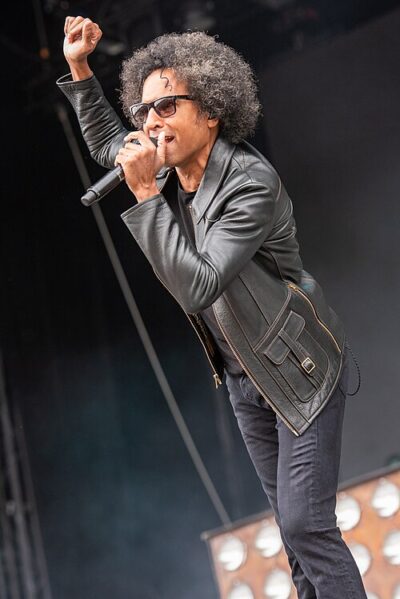
Comes with the Fall is an American hard rock band from Atlanta, Georgia, formed in 1999. Since 2001, the lineup has been composed of William DuVall (lead vocals, guitar), Adam Stanger (bass), and Bevan Davies (drums, percussion). Nico Constantine was the band's second guitarist before departing in 2001. They served as Jerry Cantrell's backing band in support of his solo album Degradation Trip in 2002, while DuVall joined Alice in Chains as lead singer during the band's reunion concerts in 2006, becoming an official member in 2008. The band's name is from the cult horror classic Rosemary's Baby that an investigating Mia Farrow spells out on Scrabble pieces.
To date, Comes with the Fall have released three studio albums—Comes with the Fall (2000), The Year Is One (2001), and Beyond the Last Light (2007); one EP—The Reckoning (2006); and one live album—Live 2002.
From the Wikipedia article “Comes with the Fall” (en.wikipedia.org/wiki/Comes_with_the_Fall), by its contributors, under CC BY-SA 4.0 (creativecommons.org/licenses/by-sa/4.0/). Copied 2026-11-17; not changed.
Confirmed Two sources agree. Cited One source, and it names where it got it. One source One source, without a reference of its own. Sources disagree The sources disagree. We show the best-supported value and keep theirs below.
Picture: Bill Ebbesen, via Wikimedia Commons · CC BY 3.0