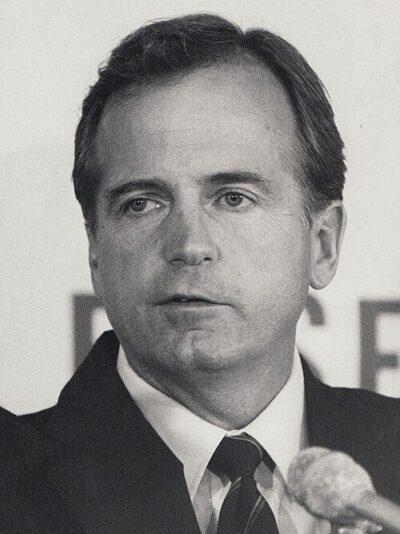
Commissioner of Baseball
Commissioner of Baseball is a chief executive of Major League Baseball. It was created in 1920.
- Office of
- Major League Baseball
- Country
- United States
- Created
- November 12, 1920
All 6 facts, and where they come from
Facts
6 facts · 0 confirmed by two sources · 1 cited · 5 from one source
Where this comes from
Papalocal keeps its own record. It started from these sources; what each one said is kept here as it was copied, so a change on their side never changes this page by itself. Tap one to read its version.
What Wikidata says · copied November 17, 2026 · revision 2569378432
- Described as
- chief executive of Major League Baseball
- Other names
- Baseball Commissioner, MLB Commissioner, Commissioner of MLB
- What it is
- position
- Created
- November 12, 1920 · 1 reference
- Country
- United States
- Sport
- baseball
- Office of
- Major League Baseball
- Official website
- http://mlb.mlb.com/mlb/official_info/about_mlb/executives.jsp · 1 reference
- Wikipedias with a page
- 8
Wikidata item Q1051088 (wikidata.org/wiki/Q1051088), public domain (CC0). Copied 2026-11-17.
What Wikipedia says · copied November 17, 2026 · revision 1385397799
The commissioner of baseball is the chief executive officer of Major League Baseball (MLB) and the associated Minor League Baseball (MiLB) – a constellation of leagues and clubs known as "affiliated baseball". Under the direction of the commissioner, the Office of the Commissioner of Baseball hires and maintains the sport's umpiring crews, and negotiates marketing, labor, and television contracts. The commissioner is chosen by a vote of the owners of the teams. The incumbent MLB commissioner is Rob Manfred, who assumed office on January 25, 2015.
From the Wikipedia article “Commissioner of Baseball” (en.wikipedia.org/wiki/Commissioner_of_Baseball), by its contributors, under CC BY-SA 4.0 (creativecommons.org/licenses/by-sa/4.0/). Copied 2026-11-17; not changed.
Confirmed Two sources agree. Cited One source, and it names where it got it. One source One source, without a reference of its own. Sources disagree The sources disagree. We show the best-supported value and keep theirs below.