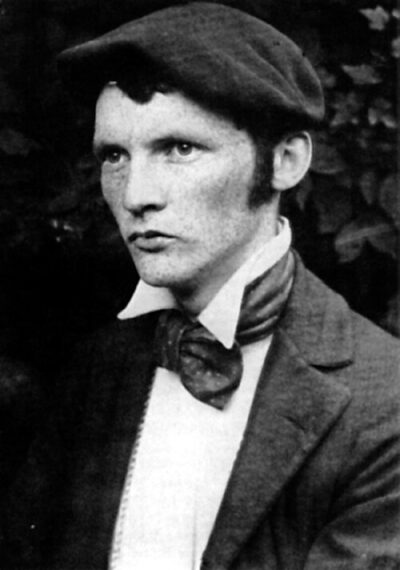
Communist Party of Germany (Opposition)
Communist Party of Germany (Opposition) is a communist opposition organisation. It was founded in 1928. It stands for communism.
- Country
- German Reich
- Founded
- 1928
- Ideology
- communism
- Chair
- Heinrich Brandler
All 7 facts, and where they come from
Facts
7 facts · 0 confirmed by two sources · 0 cited · 7 from one source
Where this comes from
Papalocal keeps its own record. It started from these sources; what each one said is kept here as it was copied, so a change on their side never changes this page by itself. Tap one to read its version.
What Wikidata says · copied November 18, 2026 · revision 2510687834
- Described as
- communist opposition organisation
- Other names
- KPD-O, KPO, KPD, KPDO
- What it is
- communist party
- Founded
- 1928
- Ended
- 1939
- Country
- German Reich; Weimar Republic
- Chair
- Heinrich Brandler
- Ideology
- communism
- Wikipedias with a page
- 10
Wikidata item Q487129 (wikidata.org/wiki/Q487129), public domain (CC0). Copied 2026-11-18.
What Wikipedia says · copied November 18, 2026 · revision 1352383203
The Communist Party of Germany (Opposition) (German: Kommunistische Partei Deutschlands (Opposition)), generally abbreviated as KPO or KPD(O), was a communist opposition organisation established at the end of 1928 and maintaining its existence until 1939 or 1940. After the rise of Adolf Hitler and the Nazi Party to power in January 1933, the KPO existed only as an illegal and underground organization. The group initially sought to modify, later to replace, the mainstream Communist Party of Germany (KPD) headed by Ernst Thälmann. The KPO was the first national section affiliated to the International Communist Opposition (ICO).
From the Wikipedia article “Communist Party of Germany (Opposition)” (en.wikipedia.org/wiki/Communist_Party_of_Germany_(Opposition)), by its contributors, under CC BY-SA 4.0 (creativecommons.org/licenses/by-sa/4.0/). Copied 2026-11-18; not changed.
Confirmed Two sources agree. Cited One source, and it names where it got it. One source One source, without a reference of its own. Sources disagree The sources disagree. We show the best-supported value and keep theirs below.
Picture: Wikimedia Commons: Gegen den strom 1929.jpg · See Commons file page