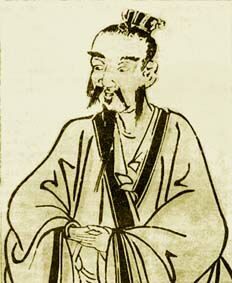
Compendium of Materia Medica
Compendium of Materia Medica is a literary work. It came out in 1578. It was written by Li Shizhen.
- Published
- 1578
- Written by
- Li Shizhen
All 6 facts, and where they come from
Facts
6 facts · 0 confirmed by two sources · 1 cited · 5 from one source
Where this comes from
Papalocal keeps its own record. It started from these sources; what each one said is kept here as it was copied, so a change on their side never changes this page by itself. Tap one to read its version.
What Wikidata says · copied November 17, 2026 · revision 2561456449
- Described as
- literary work
- Other names
- Bencao Gangmu, Pen-tsao Kang-mu, Materia medica
- What it is
- posthumous work · 1 reference; reference work; literary work
- Written by
- Li Shizhen
- Published
- 1578; 1596 · 1 reference
- Language
- Classical Chinese
- Wikipedias with a page
- 29
Wikidata item Q816658 (wikidata.org/wiki/Q816658), public domain (CC0). Copied 2026-11-17.
What Wikipedia says · copied November 17, 2026 · revision 1354973460
The Bencao gangmu, known in English as the Compendium of Materia Medica or Great Pharmacopoeia, is an encyclopedic gathering of medicine, natural history, and Chinese herbology compiled and edited by Li Shizhen and published in the late 16th century, during the Ming dynasty. Its first draft was completed in 1578 and printed in Nanjing in 1596. The Compendium lists the materia medica of traditional Chinese medicine known at the time, including plants, animals, and minerals that were believed to have medicinal properties.
Li compiled his entries not only from hundreds of earlier works in the bencao medical tradition, but from literary and historical texts. He reasoned that a poem might have better value than a medical work and that a tale of the strange could illustrate a drug's effects. The Ming dynasty emperors did not pay too much attention to his work, and it was ignored.
Li's work contained errors and mistakes due to his limited scientific knowledge at the time. For example, Li claimed that all otters were male and that quicksilver (mercury) was not toxic.
From the Wikipedia article “Bencao Gangmu” (en.wikipedia.org/wiki/Bencao_Gangmu), by its contributors, under CC BY-SA 4.0 (creativecommons.org/licenses/by-sa/4.0/). Copied 2026-11-17; not changed.
Confirmed Two sources agree. Cited One source, and it names where it got it. One source One source, without a reference of its own. Sources disagree The sources disagree. We show the best-supported value and keep theirs below.
Picture: Wikimedia Commons: Compendium of Materia Medica.png · See Commons file page