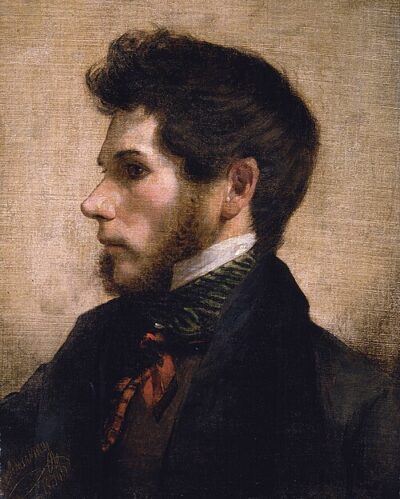
Count István Széchenyi
Count István Széchenyi is a painting by Friedrich von Amerling. It came out in 1836.
- Came out
- 1836
- Created by
- Friedrich von Amerling
All 3 facts, and where they come from
Facts
3 facts · 0 confirmed by two sources · 0 cited · 3 from one source
Where this comes from
Papalocal keeps its own record. It started from these sources; what each one said is kept here as it was copied, so a change on their side never changes this page by itself. Tap one to read its version.
What Wikidata says · copied November 17, 2026 · revision 2268281010
- Described as
- painting by Friedrich von Amerling
- What it is
- painting
- Created by
- Friedrich von Amerling
- Came out
- 1836 · 1 reference
- Wikipedias with a page
- 2
Wikidata item Q34191901 (wikidata.org/wiki/Q34191901), public domain (CC0). Copied 2026-11-17.
What Wikipedia says · copied November 17, 2026 · revision 1385981602
The portrait of Count István Széchenyi (Hungarian: Gróf Széchenyi István) is a monumental painting by Austrian painter Friedrich von Amerling. It belongs to the Art Collection of the Hungarian Academy of Sciences in Budapest, where it portrays the founder of the institution. It has the same elaborate Rococo frame as the contemporary painting of From Darkness, the Light by Johann Ender. The painting is probably the most famous portrait of Széchenyi, the greatest statesman of the Hungarian Reform Era.
From the Wikipedia article “Count István Széchenyi (Friedrich von Amerling)” (en.wikipedia.org/wiki/Count_István_Széchenyi_(Friedrich_von_Amerling)), by its contributors, under CC BY-SA 4.0 (creativecommons.org/licenses/by-sa/4.0/). Copied 2026-11-17; not changed.
Confirmed Two sources agree. Cited One source, and it names where it got it. One source One source, without a reference of its own. Sources disagree The sources disagree. We show the best-supported value and keep theirs below.
Picture: Wikimedia Commons: Amerling széchenyi framed.jpg · See Commons file page