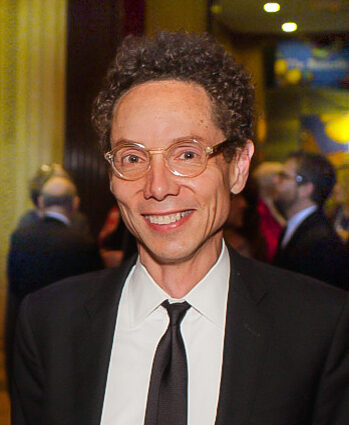
David and Goliath: Underdogs, Misfits, and the Art of Battling Giants
David and Goliath: Underdogs, Misfits, and the Art of Battling Giants is a 2013 book by Malcolm Gladwell.
- Published
- October 1, 2013
- Written by
- Malcolm Gladwell
- Country of origin
- United States
All 7 facts, and where they come from
Facts
7 facts · 0 confirmed by two sources · 1 cited · 6 from one source
Where this comes from
Papalocal keeps its own record. It started from these sources; what each one said is kept here as it was copied, so a change on their side never changes this page by itself. Tap one to read its version.
What Wikidata says · copied November 17, 2026 · revision 2503346352
- Described as
- 2013 book by Malcolm Gladwell
- What it is
- literary work
- Written by
- Malcolm Gladwell · 1 reference
- Published
- October 1, 2013 · 1 reference
- Language
- English
- Country of origin
- United States · 1 reference
- Comes after
- What the Dog Saw
- Official website
- http://gladwell.com/david-and-goliath/
- Wikipedias with a page
- 6
Wikidata item Q16385413 (wikidata.org/wiki/Q16385413), public domain (CC0). Copied 2026-11-17.
What Wikipedia says · copied November 17, 2026 · revision 1384393875
David and Goliath: Underdogs, Misfits, and the Art of Battling Giants is a non-fiction book written by Canadian writer Malcolm Gladwell and published by Little, Brown and Company on October 1, 2013. The book focuses on the probability of improbable events occurring in situations where one outcome is greatly favored over the other. The book contains many different stories of these underdogs who wind up beating the odds, the most famous being the story of David and Goliath. Despite generally negative reviews, the book was a bestseller, rising to #4 on The New York Times Hardcover Non-fiction chart, and #5 on USA Today's Best-Selling Books.
From the Wikipedia article “David and Goliath (book)” (en.wikipedia.org/wiki/David_and_Goliath_(book)), by its contributors, under CC BY-SA 4.0 (creativecommons.org/licenses/by-sa/4.0/). Copied 2026-11-17; not changed.
Confirmed Two sources agree. Cited One source, and it names where it got it. One source One source, without a reference of its own. Sources disagree The sources disagree. We show the best-supported value and keep theirs below.