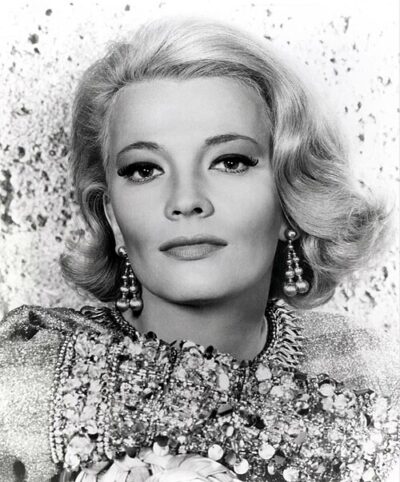
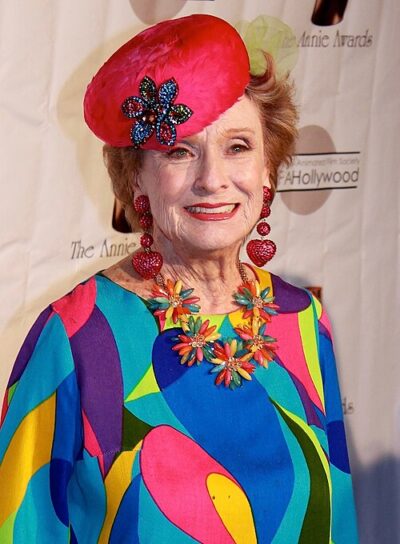
Daytime Emmy Award for Outstanding Performer in Children's Programming
Daytime Emmy Award for Outstanding Performer in Children's Programming is a Daytime Emmy Award.
All 2 facts, and where they come from
Facts
2 facts · 0 confirmed by two sources · 0 cited · 2 from one source
Where this comes from
Papalocal keeps its own record. It started from these sources; what each one said is kept here as it was copied, so a change on their side never changes this page by itself. Tap one to read its version.
What Wikidata says · copied November 16, 2026 · revision 2242758722
- What it is
- Daytime Emmy Award; class of award
- Wikipedias with a page
- 1
Wikidata item Q17492368 (wikidata.org/wiki/Q17492368), public domain (CC0). Copied 2026-11-16.
What Wikipedia says · copied November 16, 2026 · revision 1351103785
The Daytime Emmy Award for Outstanding Performer in Children's Programming was an Emmy award given to performers in television programming. During the 1970s and 1980s, guest performers in dramatic specials and regular performers on children's series competed in the same category. However, starting in 1989, separate categories for performances in children's series and performances in children's specials were created and used until after 2007 when all categories related to Children's Specials were dropped.
The youngest Emmy nominee, Jodelle Ferland, was nominated in this category in 2001 at the age of six. The youngest Emmy winner, Bindi Irwin, won in 2008 at age nine.
In November 2021, the National Academy of Television Arts and Sciences announced that all Daytime Emmy categories honoring children's programming will be retired in favor of a separate Children's & Family Emmy Awards ceremony, to be held starting in 2022.
From the Wikipedia article “Daytime Emmy Award for Outstanding Performer in Children's Programming” (en.wikipedia.org/wiki/Daytime_Emmy_Award_for_Outstanding_Performer_in_Children's_Programming), by its contributors, under CC BY-SA 4.0 (creativecommons.org/licenses/by-sa/4.0/). Copied 2026-11-16; not changed.
Confirmed Two sources agree. Cited One source, and it names where it got it. One source One source, without a reference of its own. Sources disagree The sources disagree. We show the best-supported value and keep theirs below.