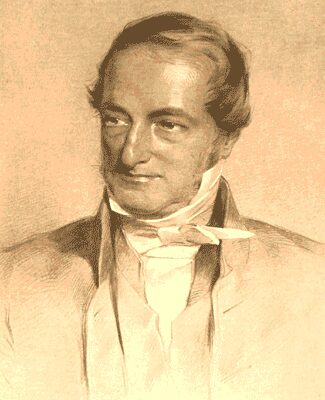
Dean of Llandaff
Dean of Llandaff is an office in the Church of Wales. It was created in 1840.
- Country
- United Kingdom
- Created
- 1840
All 4 facts, and where they come from
Facts
4 facts · 0 confirmed by two sources · 0 cited · 4 from one source
Where this comes from
Papalocal keeps its own record. It started from these sources; what each one said is kept here as it was copied, so a change on their side never changes this page by itself. Tap one to read its version.
What Wikidata says · copied November 18, 2026 · revision 2570221749
- Described as
- office in the Church of Wales
- What it is
- position
- Created
- 1840
- Located in
- Wales
- Country
- United Kingdom
- Wikipedias with a page
- 1
Wikidata item Q5246648 (wikidata.org/wiki/Q5246648), public domain (CC0). Copied 2026-11-18.
What Wikipedia says · copied November 18, 2026 · revision 1345478701
Dean of Llandaff is the title given to the head of the chapter of Llandaff Cathedral, which is located in Llandaff, Cardiff, Wales. It is not an ancient office – the head of the chapter was historically the Archdeacon who appears in this role in the Liber Landavensis and in the Chapter Acts preserved in the Glamorgan Records Office – but the office of a separate Dean was established by act of parliament in 1843. A century later, the Deanery was merged with the Vicarage of Llandaff. The Chapter forfeited its legal rights on Disestablishment in 1920, when the Dean and Chapter as an ecclesiastical corporation was dissolved, under the terms of the Welsh Church Act 1914. There continues, however, to be a Dean and Chapter under the scheme or constitution made under the Constitution of the Church in Wales.
From the Wikipedia article “Dean of Llandaff” (en.wikipedia.org/wiki/Dean_of_Llandaff), by its contributors, under CC BY-SA 4.0 (creativecommons.org/licenses/by-sa/4.0/). Copied 2026-11-18; not changed.
Confirmed Two sources agree. Cited One source, and it names where it got it. One source One source, without a reference of its own. Sources disagree The sources disagree. We show the best-supported value and keep theirs below.