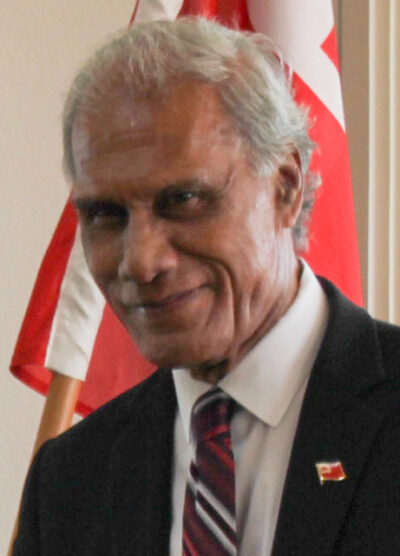
Democratic Party of the Friendly Islands
The Democratic Party of the Friendly Islands is a political party in Tonga. It was founded in 2010 by ʻAkilisi Pohiva. It stands for microeconomic reform and open government.
- Country
- Tonga
- Founded
- September 2010
- Ideology
- microeconomic reform
All 7 facts, and where they come from
Facts
7 facts · 0 confirmed by two sources · 0 cited · 7 from one source
Where this comes from
Papalocal keeps its own record. It started from these sources; what each one said is kept here as it was copied, so a change on their side never changes this page by itself. Tap one to read its version.
What Wikidata says · copied November 17, 2026 · revision 2028989243
- Described as
- political party in Tonga
- What it is
- political party
- Comes after
- Human Rights and Democracy Movement
- Founded
- September 2010
- Founded by
- ʻAkilisi Pohiva
- Country
- Tonga
- Ideology
- microeconomic reform; open government
- Wikipedias with a page
- 8
Wikidata item Q3366423 (wikidata.org/wiki/Q3366423), public domain (CC0). Copied 2026-11-17.
What Wikipedia says · copied November 17, 2026 · revision 1364747987
The Democratic Party of the Friendly Islands (Tongan: Paati Temokalati ʻa e ʻOtu Motu ʻAngaʻofa, PTOA), also referred to as the Democrats, is a political party in Tonga. The party's leader at its foundation was ʻAkilisi Pohiva.
The party was launched in September 2010, and included several sitting People's Representatives who were part of the Human Rights and Democracy Movement. Its objectives upon foundation included government transparency and economic reform. The PTOA failed to win any seats at the 2025 general election, marking the first time the party was left without parliamentary representation.
The "Friendly Islands" are a name originally given to Tonga by Captain James Cook.
From the Wikipedia article “Democratic Party of the Friendly Islands” (en.wikipedia.org/wiki/Democratic_Party_of_the_Friendly_Islands), by its contributors, under CC BY-SA 4.0 (creativecommons.org/licenses/by-sa/4.0/). Copied 2026-11-17; not changed.
Confirmed Two sources agree. Cited One source, and it names where it got it. One source One source, without a reference of its own. Sources disagree The sources disagree. We show the best-supported value and keep theirs below.