Der Rosenkavalier
Der Rosenkavalier is a comic opera in three acts by Richard Strauss. It came out in 1910.
- Released
- 20th century
- Came out
- 1910
- Genre
- comic opera
All 6 facts, and where they come from
Facts
6 facts · 0 confirmed by two sources · 0 cited · 6 from one source
Where this comes from
Papalocal keeps its own record. It started from these sources; what each one said is kept here as it was copied, so a change on their side never changes this page by itself. Tap one to read its version.
What Wikidata says · copied November 17, 2026 · revision 2533156657
- Described as
- comic opera in three acts by Richard Strauss
- Other names
- The Rosenkavalier
- What it is
- dramatico-musical work
- Music by
- Richard Strauss
- Genre
- comic opera
- Released
- 20th century
- Language
- Austrian German
- Came out
- 1910 · 1 reference
- Wikipedias with a page
- 36
Wikidata item Q471240 (wikidata.org/wiki/Q471240), public domain (CC0). Copied 2026-11-17.
What Wikipedia says · copied November 17, 2026 · revision 1378363790
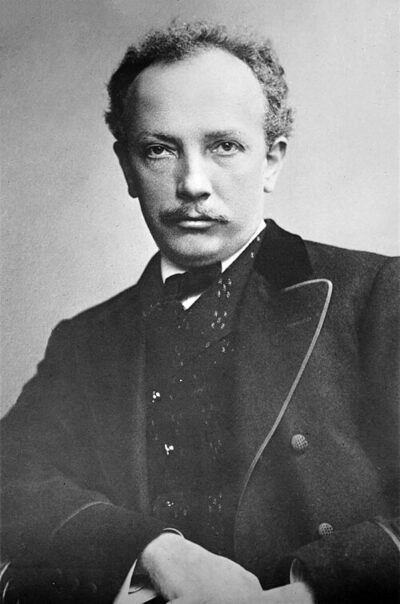
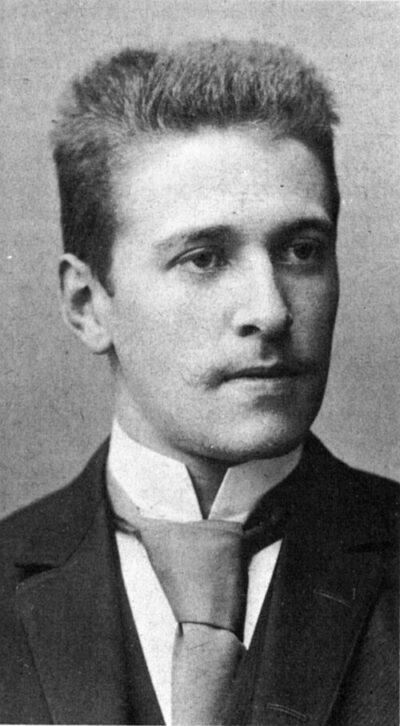
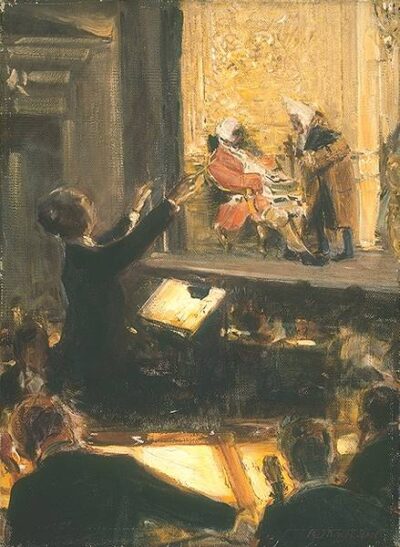
Der Rosenkavalier (The Knight of the Rose or The Rose-Bearer), Op. 59, is a comic opera in three acts by Richard Strauss to an original German libretto by Hugo von Hofmannsthal. It is loosely adapted from Louvet de Couvrai's novel Les amours du chevalier de Faublas and Molière's comedy Monsieur de Pourceaugnac. It was first performed at the Königliches Opernhaus in Dresden on 26 January 1911 under the direction of Max Reinhardt, with Ernst von Schuch conducting. Until the premiere, the working title was Ochs auf Lerchenau. (The choice of the name Ochs is not accidental, as "Ochs" means "ox", which describes the Baron's manner.)
The opera has four main characters: the aristocratic Marschallin; her 17-year-old lover, Count Octavian Rofrano; known as Quinquin, her brutish cousin Baron Ochs; and Ochs's prospective fiancée, Sophie von Faninal, the daughter of a rich bourgeois. At the Marschallin's suggestion, Octavian acts as Ochs's Rosenkavalier by presenting a ceremonial silver rose to Sophie. But Octavian and Sophie fall in love on the spot, and soon devise a comic intrigue to extricate Sophie from her engagement, with help from the Marschallin, who then yields Octavian to Sophie. Though a comic opera, the work incorporates weighty themes (particularly through the Marschallin's character arc), including infidelity, aging, sexual predation, and selflessness in love.
Der Rosenkavalier is notable for showcasing the female voice, as its protagonists (light lyric soprano Sophie, mezzo-soprano Octavian, and the mature dramatic soprano Marschallin) are written to be portrayed by women, who share several duets as well as a trio at the opera's emotional climax. Some singers have performed two or even all three of these roles over the course of their careers.
There are many recordings of the opera and it is regularly performed.
From the Wikipedia article “Der Rosenkavalier” (en.wikipedia.org/wiki/Der_Rosenkavalier), by its contributors, under CC BY-SA 4.0 (creativecommons.org/licenses/by-sa/4.0/). Copied 2026-11-17; not changed.
Confirmed Two sources agree. Cited One source, and it names where it got it. One source One source, without a reference of its own. Sources disagree The sources disagree. We show the best-supported value and keep theirs below.
Picture: Robert Sterl, via Wikimedia Commons · Public domain