Doctor of Divinity
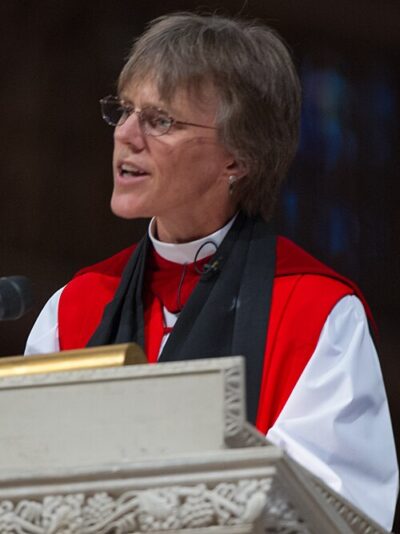
Doctor of Divinity is an advanced or honorary academic degree in divinity.
All 2 facts, and where they come from
Facts
2 facts · 0 confirmed by two sources · 0 cited · 2 from one source
Where this comes from
Papalocal keeps its own record. It started from these sources; what each one said is kept here as it was copied, so a change on their side never changes this page by itself. Tap one to read its version.
What Wikidata says · copied November 17, 2026 · revision 2528714428
- Described as
- advanced or honorary academic degree in divinity
- Other names
- D. D., D. Div., DD, D.D.
- What it is
- honorary degree; academic degree
- Wikipedias with a page
- 12
Wikidata item Q1984623 (wikidata.org/wiki/Q1984623), public domain (CC0). Copied 2026-11-17.
What Wikipedia says · copied November 17, 2026 · revision 1362285632
A Doctor of Divinity (DD or DDiv; Latin: Doctor Divinitatis) is the holder of an advanced academic degree in divinity (i.e., Christian theology and ministry or other theologies). The term is more common in the English-speaking world than elsewhere. In the United Kingdom and Ireland, the DD is usually a higher doctorate conferred upon a religious scholar of standing and distinction, usually for accomplishments beyond the PhD or ThD level. In the United States, the DD is generally an honorary degree. In Catholic universities, faculties of theology usually grant the degree of Doctor of Sacred Theology (STD), but the DD may be awarded as an honorary degree.
From the Wikipedia article “Doctor of Divinity” (en.wikipedia.org/wiki/Doctor_of_Divinity), by its contributors, under CC BY-SA 4.0 (creativecommons.org/licenses/by-sa/4.0/). Copied 2026-11-17; not changed.
Confirmed Two sources agree. Cited One source, and it names where it got it. One source One source, without a reference of its own. Sources disagree The sources disagree. We show the best-supported value and keep theirs below.