Dothraki
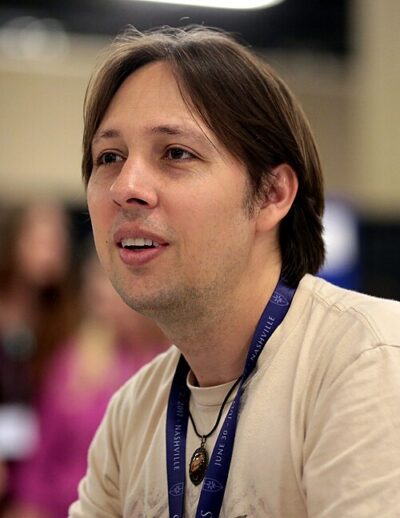
Dothraki is a fictional language in "Game of Thrones". It came out in 2009. It was created by David J. Peterson and George R. R. Martin.
- Came out
- 2009
- Created by
- David J. Peterson
All 7 facts, and where they come from
Facts
7 facts · 0 confirmed by two sources · 0 cited · 7 from one source
Where this comes from
Papalocal keeps its own record. It started from these sources; what each one said is kept here as it was copied, so a change on their side never changes this page by itself. Tap one to read its version.
What Wikidata says · copied November 17, 2026 · revision 2566270950
- Described as
- fictional language in "Game of Thrones"
- Other names
- Dothraki language
- What it is
- a priori language; languages of A Song of Ice and Fire; constructed language · 1 reference
- Created by
- David J. Peterson; George R. R. Martin · 1 reference
- Came out
- 2009
- Official website
- http://www.dothraki.com
- Wikipedias with a page
- 38
Wikidata item Q2914733 (wikidata.org/wiki/Q2914733), public domain (CC0). Copied 2026-11-17.
What Wikipedia says · copied November 17, 2026 · revision 1363873975
The Dothraki language is a constructed fictional language in George R. R. Martin's fantasy novel series A Song of Ice and Fire and its television adaptation Game of Thrones. It is spoken by the Dothraki, a nomadic people in the series's fictional world. The language was developed for the TV series by the language creator David J. Peterson, working off the Dothraki words and phrases in Martin's novels.
As of September 2011, the language comprised 3163 words, not all of which have been made public. In 2012, 146 newborn girls in the United States were named "Khaleesi", the Dothraki term for the wife of a khal or ruler, and the title adopted in the series by Daenerys Targaryen. Dothraki and Valyrian have been described by The Economist as "the most convincing fictional tongues since Elvish".
From the Wikipedia article “Dothraki language” (en.wikipedia.org/wiki/Dothraki_language), by its contributors, under CC BY-SA 4.0 (creativecommons.org/licenses/by-sa/4.0/). Copied 2026-11-17; not changed.
Confirmed Two sources agree. Cited One source, and it names where it got it. One source One source, without a reference of its own. Sources disagree The sources disagree. We show the best-supported value and keep theirs below.