
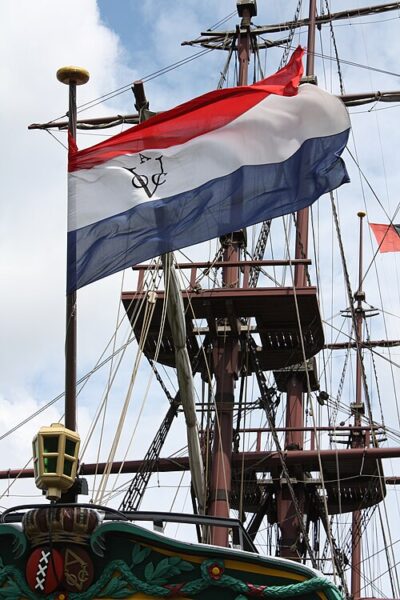
Dutch East India Company
The Dutch East India Company is a 1602–1799 Dutch trading company. Its headquarters are in Oost-Indisch Huis.
- Founded
- 1602
- Headquarters
- Oost-Indisch Huis (1606–1800)
- Industry
- trade
- Country
- Dutch Republic
All 8 facts, and where they come from
Facts
8 facts · 0 confirmed by two sources · 0 cited · 8 from one source
Where this comes from
Papalocal keeps its own record. It started from these sources; what each one said is kept here as it was copied, so a change on their side never changes this page by itself. Tap one to read its version.
What Wikidata says · copied November 17, 2026 · revision 2570356265
- Described as
- 1602–1799 Dutch trading company
- Other names
- United East India Company, VOC, Oost-Indische Compagnie, Oost-Indië Compagnie, East India Company, Verenigte Ostindische Compagnie
- What it is
- business; chartered company; enterprise
- Founded
- 1602
- Ended
- 1799
- Headquarters
- Oost-Indisch Huis (1606–1800)
- Country
- Dutch Republic
- Industry
- trade · 1 reference
- Wikipedias with a page
- 91
Wikidata item Q159766 (wikidata.org/wiki/Q159766), public domain (CC0). Copied 2026-11-17.
What Wikipedia says · copied November 17, 2026 · revision 1385957459
The United East India Company (Dutch: Vereenigde Oostindische Compagnie [vərˈeːnɪɣdə oːstˈɪndisə kɔmpɑˈɲi]; abbr. VOC [veː(j)oːˈseː]), commonly known as the Dutch East India Company, was a chartered trading company and one of the first joint-stock companies in the world. Established on 20 March 1602 by the States General of the Netherlands amalgamating existing companies, it was granted a 21-year monopoly to carry out trade activities in Asia. Shares in the company could be purchased by any citizen of the Dutch Republic and bought and sold in open-air secondary markets, one of which became the Amsterdam Stock Exchange. The company possessed quasi-governmental powers, including the ability to wage war, imprison and execute convicts, negotiate treaties, strike its own coins, and establish colonies. Because it traded across multiple colonies and countries from both the East and the West, the VOC is sometimes considered to have been the world's first multinational corporation.
Statistically, the VOC eclipsed all of its rivals in the Asian trade. Between 1602 and 1796, the VOC sent nearly one million Europeans to work in the Asia trade on 4,785 ships, and netted for their efforts more than 2.5 million tonnes of Asian trade goods and slaves. By contrast, the rest of Europe combined sent 882,412 people from 1500 to 1795. The fleet of the English, later British East India Company, the VOC's nearest competitor, was a distant second to its total traffic, with 2,690 ships and one-fifth the tonnage of goods carried by the VOC. The VOC enjoyed huge profits from its spice monopoly through most of the 17th century.
Having been established in 1602 to profit from the Malukan spice trade, the VOC established a capital in the port city of Jayakarta in 1619 and changed its name to Batavia, now Jakarta. Over the next two centuries, the company acquired additional ports as trading bases and safeguarded their interests by taking over surrounding territory. It remained an important trading concern and paid annual dividends that averaged about 18% of the capital for almost 200 years. Weighed down by smuggling, corruption and growing administrative costs in the late 18th century, the company went bankrupt and was formally dissolved in 1799. Its possessions and debt were taken over by the government of the Dutch Batavian Republic.
From the Wikipedia article “Dutch East India Company” (en.wikipedia.org/wiki/Dutch_East_India_Company), by its contributors, under CC BY-SA 4.0 (creativecommons.org/licenses/by-sa/4.0/). Copied 2026-11-17; not changed.
Confirmed Two sources agree. Cited One source, and it names where it got it. One source One source, without a reference of its own. Sources disagree The sources disagree. We show the best-supported value and keep theirs below.
Picture: McKarri, via Wikimedia Commons · CC BY-SA 3.0
People connected 8
Worked here
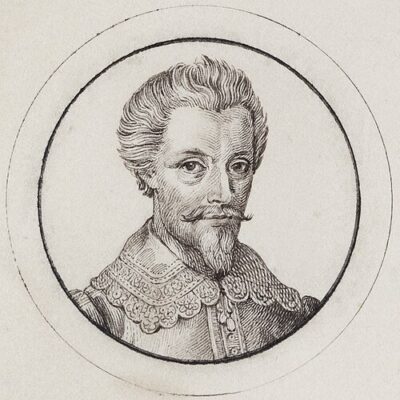 Abel TasmanDutch seafarer, explorer and merchant (1603–1659)
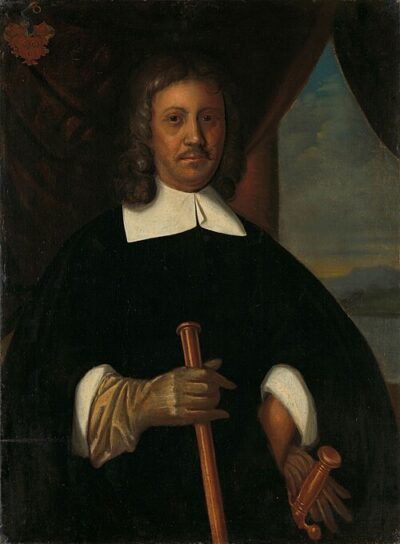 Jan van RiebeeckDutch colonial governor (1619–1677)
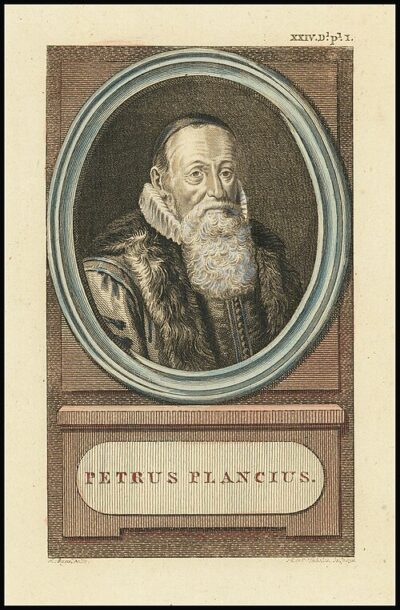 Petrus PlanciusDutch-Flemish astronomer, cartographer and clergyman
- WWillem JanszoonDutch navigator and colonial governor (c.1570–c.1630)
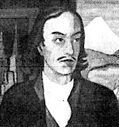 Engelbert KaempferGerman botanist (1651–1716)
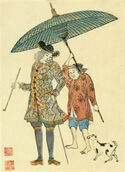 Isaac TitsinghDutch diplomat (1745 - 1812)
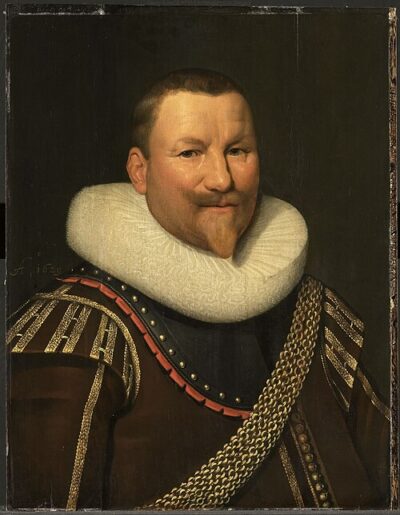 Piet Pieterszoon HeinDutch admiral (1578-1629)
 Willem BlaeuDutch cartographer, atlas maker and publisher (1571-1638)
