Dux
Dux is a Roman title.
All 2 facts, and where they come from
Facts
2 facts · 0 confirmed by two sources · 0 cited · 2 from one source
Where this comes from
Papalocal keeps its own record. It started from these sources; what each one said is kept here as it was copied, so a change on their side never changes this page by itself. Tap one to read its version.
What Wikidata says · copied November 17, 2026 · revision 2569340331
- Described as
- Roman title
- What it is
- position; ancient Roman military rank
- Wikipedias with a page
- 40
Wikidata item Q829120 (wikidata.org/wiki/Q829120), public domain (CC0). Copied 2026-11-17.
What Wikipedia says · copied November 17, 2026 · revision 1349187225
Dux (; pl.: duces) is Latin for "leader" (from the noun dux, ducis, "leader, general") and later for duke and its variant forms (doge, duce, etc.). During the Roman Republic and for the first centuries of the Roman Empire, dux could refer to anyone who commanded troops, both Roman generals and foreign leaders, but was not a formal military rank.
From the Wikipedia article “Dux” (en.wikipedia.org/wiki/Dux), by its contributors, under CC BY-SA 4.0 (creativecommons.org/licenses/by-sa/4.0/). Copied 2026-11-17; not changed.
Confirmed Two sources agree. Cited One source, and it names where it got it. One source One source, without a reference of its own. Sources disagree The sources disagree. We show the best-supported value and keep theirs below.
People connected 5
Military rank
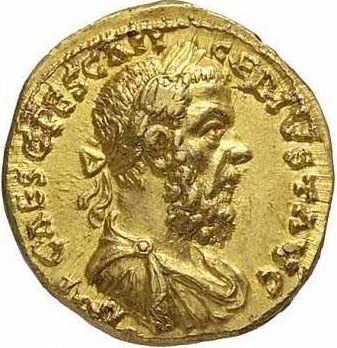 Pescennius NigerRoman emperor (135-194)
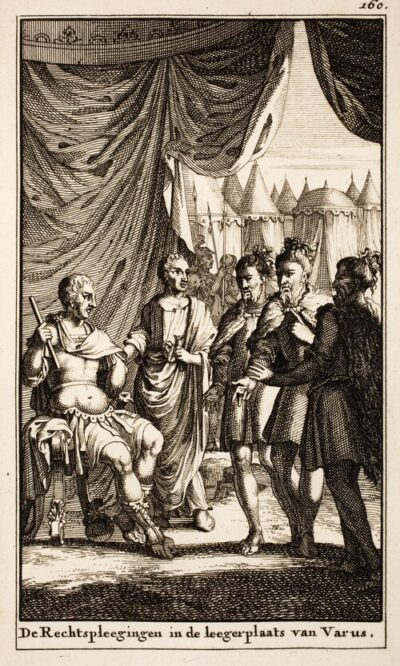 Publius Quinctilius Varusancient Roman politician and governor; known for being defeated by the Germans led by Arminius at the battle of the Teutoburg Forest
 Gnaeus Domitius CorbuloRoman general, father of empress Domitia Longina