Espérance Club
The Espérance Club is a trade union for girl dressmakers in 19th and early 20th century London, England.
All 1 facts, and where they come from
Facts
1 facts · 0 confirmed by two sources · 0 cited · 1 from one source
Where this comes from
Papalocal keeps its own record. It started from these sources; what each one said is kept here as it was copied, so a change on their side never changes this page by itself. Tap one to read its version.
What Wikidata says · copied November 19, 2026 · revision 2335472286
- Described as
- trade union for girl dressmakers in 19th and early 20th century London, England
- Other names
- Esperance Club
- What it is
- club
- Wikipedias with a page
- 2
Wikidata item Q5399204 (wikidata.org/wiki/Q5399204), public domain (CC0). Copied 2026-11-19.
What Wikipedia says · copied November 19, 2026 · revision 1324365852
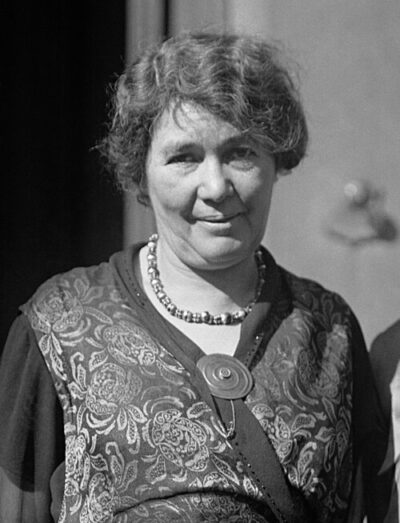
The Espérance Club, and the Maison Espérance dressmaking cooperative, were founded in the mid-1890s by Emmeline Pethick-Lawrence and Mary Neal in response to distressing conditions for girls in the London dress trade. The club was based at 50 Cumberland Market, in the St Pancras area of London.
Mary Neal had become fascinated by the folk songs and dances being collected by Cecil Sharp, and invited William Kimber, a musician and dancer from Headington Quarry in Oxfordshire, to teach morris dancing to the young women of the Espérance Club. Thus was born the Espérance Morris, which inspired a modern London women's side, New Esperance Morris.
After donating a £1,000 legacy to the club and meeting Emmeline Pethick-Lawrence, Lady Constance Lytton was enthused by the women's movement and thus became a leading suffragette activist.
From the Wikipedia article “Espérance Club” (en.wikipedia.org/wiki/Espérance_Club), by its contributors, under CC BY-SA 4.0 (creativecommons.org/licenses/by-sa/4.0/). Copied 2026-11-19; not changed.
Confirmed Two sources agree. Cited One source, and it names where it got it. One source One source, without a reference of its own. Sources disagree The sources disagree. We show the best-supported value and keep theirs below.