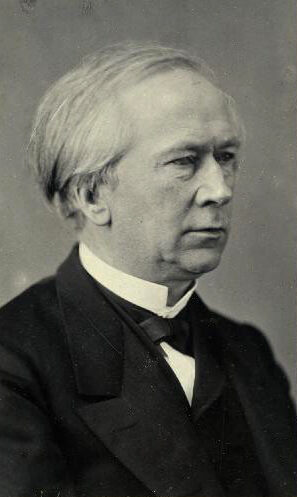
Estonian Knighthood
Estonian Knighthood is a noble corporation in Livonia. It was founded in 1584. Its headquarters are in Toompea Castle.
- Founded
- 1584
- Headquarters
- Toompea Castle
- Country
- Estonia
All 6 facts, and where they come from
Facts
6 facts · 0 confirmed by two sources · 0 cited · 6 from one source
Where this comes from
Papalocal keeps its own record. It started from these sources; what each one said is kept here as it was copied, so a change on their side never changes this page by itself. Tap one to read its version.
What Wikidata says · copied November 18, 2026 · revision 2485675188
- Described as
- noble corporation in Livonia
- Other names
- Estonian Noble Corporation
- What it is
- noble corporation
- Founded
- 1584
- Ended
- 1920
- Headquarters
- Toompea Castle
- Country
- Estonia; Swedish Empire
- Wikipedias with a page
- 10
Wikidata item Q829894 (wikidata.org/wiki/Q829894), public domain (CC0). Copied 2026-11-18.
What Wikipedia says · copied November 18, 2026 · revision 1254478562
The Estonian Knighthood (German: Estländische Ritterschaft, Estonian: Eestimaa rüütelkond) was a medieval fiefdom, as well as a corporation of its nobility, that was organised and operated in what is now northern Estonia from the 13th to early 20th century. It was formally disbanded by the newly independent Republic of Estonia in 1920.
The earliest written records of the Knighthood are known from 1252, its origins thus dating back to the time of Danish rule over the northern Estonian provinces of Revala, Vironia and Harria. The evolution of the Middle Low German-speaking Knighthood from a corporation into a political entity was completed by the end of the rule of the Teutonic Order in 1561, resulting in it becoming the dominant power in the whole northern Estonia, excluding the cities – Tallinn (Reval), Rakvere (Wesenberg), Narva (Narwa), Haapsalu (Hapsal), and Paide (Weissenstein).
The Knighthood managed to maintain its dominant role and a semi-autonomous privileged status throughout the time when northern Estonia was part of the Kingdom of Sweden (1561—1710) and the Russian Empire (until World War I). Just like for the other Baltic knighthoods, for the local German-speaking nobility in Estonia, this meant that the practice of the Protestant-Lutheran faith (of the Augsburg Confession) was guaranteed along with the use of German as the administrative language and local autonomy for the Knighthood in the administration of the land and the application of the law to its population.
After World War II, the Estonian Knighthood exists as a Baltic German nobility association in Germany, part of the united Baltic German Knighthoods association.
From the Wikipedia article “Estonian Knighthood” (en.wikipedia.org/wiki/Estonian_Knighthood), by its contributors, under CC BY-SA 4.0 (creativecommons.org/licenses/by-sa/4.0/). Copied 2026-11-18; not changed.
Confirmed Two sources agree. Cited One source, and it names where it got it. One source One source, without a reference of its own. Sources disagree The sources disagree. We show the best-supported value and keep theirs below.
Picture: Wikimedia Commons: Tallinn Domberg 7.JPG · See Commons file page