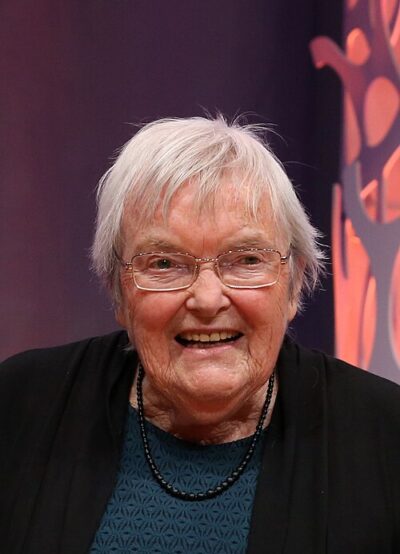
Fall-out
Fall-out is a 1987 novel by Gudrun Pausewang. It won the German Science Fiction Prize for best novel.
- Published
- 1987
- Written by
- Gudrun Pausewang
All 5 facts, and where they come from
Facts
5 facts · 0 confirmed by two sources · 3 cited · 2 from one source
Where this comes from
Papalocal keeps its own record. It started from these sources; what each one said is kept here as it was copied, so a change on their side never changes this page by itself. Tap one to read its version.
What Wikidata says · copied November 17, 2026 · revision 2537781276
- Described as
- 1987 novel by Gudrun Pausewang
- What it is
- literary work
- Written by
- Gudrun Pausewang · 1 reference
- Published
- 1987 · 1 reference
- Language
- German
- Awards
- German Science Fiction Prize for best novel (1988) · 1 reference
- Wikipedias with a page
- 8
Wikidata item Q661565 (wikidata.org/wiki/Q661565), public domain (CC0). Copied 2026-11-17.
What Wikipedia says · copied November 17, 2026 · revision 1386061708
Die Wolke (lit. '"The Cloud"') is a German novel for young adults by German author Gudrun Pausewang, published in 1987. The story was written after the 1986 Chernobyl nuclear disaster in the Soviet Union (now Ukraine), with a 14-year-old girl having to deal with the consequences of a fictional similar disaster in Germany. It was translated into English by Patricia Crampton, published in 1997, as Fall-Out. Die Wolke, which received several awards, became a popular book for reading in class and was adapted for film and stage, has been regarded as Pausewang's signature work.
The book has been credited with shaping opposition to nuclear power in Germany.
From the Wikipedia article “Die Wolke” (en.wikipedia.org/wiki/Die_Wolke), by its contributors, under CC BY-SA 4.0 (creativecommons.org/licenses/by-sa/4.0/). Copied 2026-11-17; not changed.
Confirmed Two sources agree. Cited One source, and it names where it got it. One source One source, without a reference of its own. Sources disagree The sources disagree. We show the best-supported value and keep theirs below.