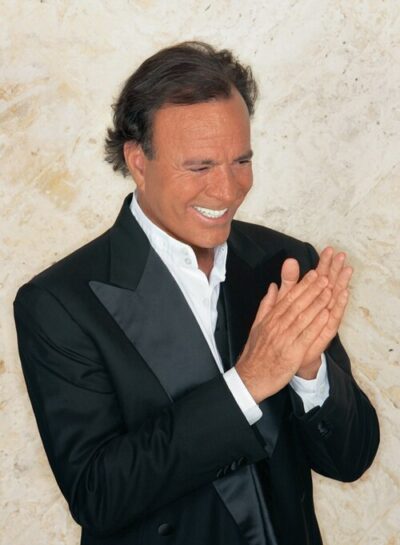
Favorite Latin Artist
Favorite Latin Artist is an American Music Award. It was created in 1998.
- Country
- United States
- Created
- 1998
All 5 facts, and where they come from
Facts
5 facts · 0 confirmed by two sources · 0 cited · 5 from one source
Where this comes from
Papalocal keeps its own record. It started from these sources; what each one said is kept here as it was copied, so a change on their side never changes this page by itself. Tap one to read its version.
What Wikidata says · copied November 16, 2026 · revision 1743097322
- Described as
- American Music Award
- Other names
- American Music Award for Favorite Latin Artist, Favorite Artist – Latin
- What it is
- class of award
- Country of origin
- United States
- Created
- 1998
- Country
- United States · 1 reference
- Official website
- http://www.theamas.com/ · 1 reference
- Wikipedias with a page
- 2
Wikidata item Q19858124 (wikidata.org/wiki/Q19858124), public domain (CC0). Copied 2026-11-16.
What Wikipedia says · copied November 16, 2026 · revision 1382946831
The American Music Award for Favorite Artist – Latin has been awarded since 1998. On the list below, the year reflects the year in which the awards were presented for works released in the previous year (until 2003 onward when awards were handed out on November of the same year). The all-time winner in this category is Enrique Iglesias with 8 wins. He is also the most nominated artist with 12 nominations. For the 48th American Music Awards in 2020, the category was split into Favorite Male Artist – Latin and Favorite Female Artist – Latin in recognition of the increasing popularity of the Latin genre in the US.
From the Wikipedia article “American Music Award for Favorite Latin Artist” (en.wikipedia.org/wiki/American_Music_Award_for_Favorite_Latin_Artist), by its contributors, under CC BY-SA 4.0 (creativecommons.org/licenses/by-sa/4.0/). Copied 2026-11-16; not changed.
Confirmed Two sources agree. Cited One source, and it names where it got it. One source One source, without a reference of its own. Sources disagree The sources disagree. We show the best-supported value and keep theirs below.