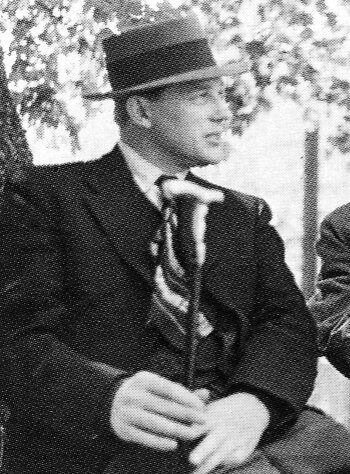
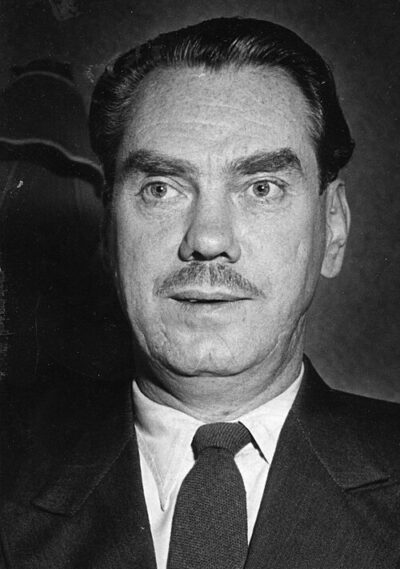
Fem unga
Fem unga is an anthology of modenist literature, edited by the eponymous Swedish liiterary group. It came out in 1929. It was written by Erik Asklund, Josef Kjellgren and Artur Lundkvist.
- Published
- 1929
- Written by
- Erik Asklund
All 8 facts, and where they come from
Facts
8 facts · 0 confirmed by two sources · 0 cited · 8 from one source
Where this comes from
Papalocal keeps its own record. It started from these sources; what each one said is kept here as it was copied, so a change on their side never changes this page by itself. Tap one to read its version.
What Wikidata says · copied November 17, 2026 · revision 2468606150
- Described as
- anthology of modenist literature, edited by the eponymous Swedish liiterary group
- Other names
- 5 unga
- What it is
- literary work; group of humans; literary group
- Written by
- Erik Asklund; Josef Kjellgren; Artur Lundkvist; Harry Martinson
- Published
- 1929
- Wikipedias with a page
- 4
Wikidata item Q10494588 (wikidata.org/wiki/Q10494588), public domain (CC0). Copied 2026-11-17.
What Wikipedia says · copied November 17, 2026 · revision 1384423063
Fem unga or 5 unga ("Five Young People" or "Five Young Men") is a Swedish anthology published in 1929 and the name of the literary group formed by the five young proletarian writers who contributed to it: Erik Asklund, Josef Kjellgren, Artur Lundkvist, Harry Martinson and Gustav Sandgren. Fem unga played a key role in introducing literary modernism in Swedish literature.
From the Wikipedia article “Fem unga” (en.wikipedia.org/wiki/Fem_unga), by its contributors, under CC BY-SA 4.0 (creativecommons.org/licenses/by-sa/4.0/). Copied 2026-11-17; not changed.
Confirmed Two sources agree. Cited One source, and it names where it got it. One source One source, without a reference of its own. Sources disagree The sources disagree. We show the best-supported value and keep theirs below.