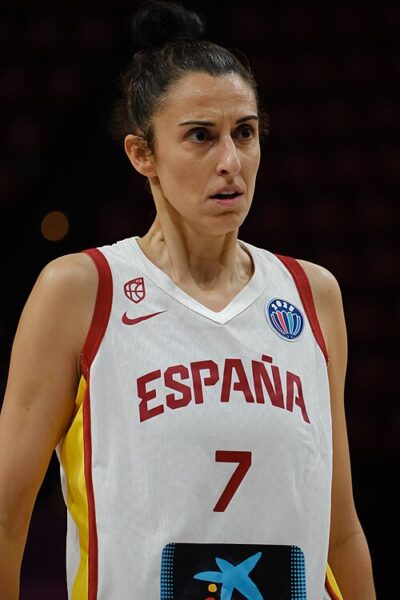
FIBA Europe Women's Player of the Year Award
FIBA Europe Women's Player of the Year Award is a sports award. It was created in 2006.
- Given by
- FIBA Europe
- Created
- 2006
All 5 facts, and where they come from
Facts
5 facts · 0 confirmed by two sources · 0 cited · 5 from one source
Where this comes from
Papalocal keeps its own record. It started from these sources; what each one said is kept here as it was copied, so a change on their side never changes this page by itself. Tap one to read its version.
What Wikidata says · copied November 18, 2026 · revision 2201998365
- What it is
- sports award
- Created
- 2006
- Ended
- 2014
- Sport
- basketball
- Given by
- FIBA Europe
- Wikipedias with a page
- 5
Wikidata item Q3736984 (wikidata.org/wiki/Q3736984), public domain (CC0). Copied 2026-11-18.
What Wikipedia says · copied November 18, 2026 · revision 1189323499
The FIBA Europe Women's Player of the Year Award was a yearly Player of the Year (POY) award that has been given out by FIBA's (the international governing body of the sport of basketball) European Division, to the best female basketball player with European citizenship. The inaugural award was given in the year 2005, and was awarded to Maria Stepanova of Russia; whom also won the most awards, having won the award three times. Playing in a FIBA tournament was not a requirement to be eligible to win the award.
The award was a calendar year by calendar year award, and was not a season by season award. The FIBA Europe Women's Player of the Year vote was decided upon by basketball experts and fan voting.
From the Wikipedia article “FIBA Europe Women's Player of the Year Award” (en.wikipedia.org/wiki/FIBA_Europe_Women's_Player_of_the_Year_Award), by its contributors, under CC BY-SA 4.0 (creativecommons.org/licenses/by-sa/4.0/). Copied 2026-11-18; not changed.
Confirmed Two sources agree. Cited One source, and it names where it got it. One source One source, without a reference of its own. Sources disagree The sources disagree. We show the best-supported value and keep theirs below.