Fighting Angel
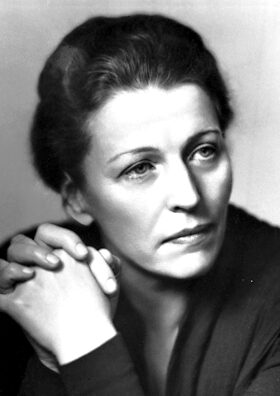
Fighting Angel is a 1936 novel by Pearl S. Buck.
- Published
- 1936
- Written by
- Pearl S. Buck
All 5 facts, and where they come from
Facts
5 facts · 0 confirmed by two sources · 0 cited · 5 from one source
Where this comes from
Papalocal keeps its own record. It started from these sources; what each one said is kept here as it was copied, so a change on their side never changes this page by itself. Tap one to read its version.
What Wikidata says · copied November 16, 2026 · revision 2505702371
- Described as
- 1936 novel by Pearl S. Buck
- What it is
- literary work
- Written by
- Pearl S. Buck
- Published
- 1936
- Original language
- English
- Language
- English
- Wikipedias with a page
- 1
Wikidata item Q5447865 (wikidata.org/wiki/Q5447865), public domain (CC0). Copied 2026-11-16.
What Wikipedia says · copied November 16, 2026 · revision 1385319665
Fighting Angel: Portrait of a Soul (1936) is a memoir, sometimes called a "creative non-fiction novel," written by Pearl S. Buck about her father, Absalom Sydenstricker (1852–1931) as a companion to her memoir of her mother, The Exile.
The book is a conflicted portrait of her father written in 1936 to take advantage of the success of The Exile but also to tell a different part of her parents’ story. “Andrew,” the name she uses for her father in the book, had a “swordlike singleness of heart,” for the early missionaries, she wrote, were “born warriors and very great men” who were “proud and quarrelsome and brave and intolerant and passionate.” He dedicated himself to “the Work,” as he called it, but a lifetime of evangelizing produced few converts and at the cost of scarcely recognizing the existence of his wife or family and of failing to understand China. Though her father professed not to know what the word “imperialism” meant, Buck sees his mission as part of the “astounding imperialisms of the West.” Buck later remarked that reading Herman Melville’s Moby Dick saved her soul, and perhaps she saw something of her father in Captain Ahab, a figure also bent on a mission.
In awarding Buck the 1938 Nobel Prize in Literature, the Nobel Committee cited these two memoirs of her parents. They found, however, a “flaw” in The Exile: “The daughter's devotion to her mother makes it impossible for her to do justice to her father.” But the Committee felt Buck redeemed herself in Fighting Angel: while the “portrait conceals none of his repellent features,” his daughter “maintained pure reverence before the nobility of the whole.
From the Wikipedia article “Fighting Angel” (en.wikipedia.org/wiki/Fighting_Angel), by its contributors, under CC BY-SA 4.0 (creativecommons.org/licenses/by-sa/4.0/). Copied 2026-11-16; not changed.
Confirmed Two sources agree. Cited One source, and it names where it got it. One source One source, without a reference of its own. Sources disagree The sources disagree. We show the best-supported value and keep theirs below.