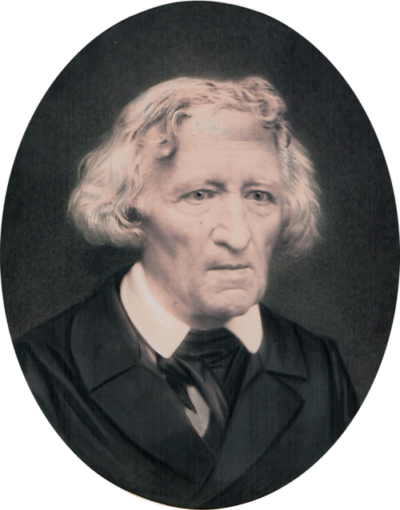
Frankfurt National Assembly
The Frankfurt National Assembly is the first parliament for all of Germany (1848-1849). Its headquarters are in St. Paul's Church, Frankfurt am Main.
- Founded
- May 18, 1848
- Headquarters
- St. Paul's Church, Frankfurt am Main
- Country
- German Empire of 1848/1849
All 10 facts, and where they come from
Facts
10 facts · 0 confirmed by two sources · 0 cited · 10 from one source
Where this comes from
Papalocal keeps its own record. It started from these sources; what each one said is kept here as it was copied, so a change on their side never changes this page by itself. Tap one to read its version.
What Wikidata says · copied November 17, 2026 · revision 2536349225
- Described as
- first parliament for all of Germany (1848-1849)
- Other names
- Frankfurt Diet, National Assembly of Frankfurt, Frankfurt Parliament
- What it is
- constituent assembly; parliament; unicameral legislature
- Founded
- May 18, 1848
- Ended
- May 1849
- Headquarters
- St. Paul's Church, Frankfurt am Main
- Country
- German Empire of 1848/1849; Austrian Empire
- Chair
- Heinrich von Gagern (1848); Eduard von Simson (1848–1849)
- Wikipedias with a page
- 40
Wikidata item Q157638 (wikidata.org/wiki/Q157638), public domain (CC0). Copied 2026-11-17.
What Wikipedia says · copied November 17, 2026 · revision 1385823906
The Frankfurt National Assembly (German: Frankfurter Nationalversammlung) was the first freely elected parliament for all German states, including the German-populated areas of the Austrian Empire, elected on 1 May 1848 (see 1848 German federal election).
The session was held from 18 May 1848 to 30 May 1849 in the Paulskirche at Frankfurt am Main. Its existence was part of the result of the "March Revolution" within the states of the German Confederation.
After long and controversial debates, the assembly produced the so-called Frankfurt Constitution (Paulskirchenverfassung or St. Paul's Church Constitution, officially the Verfassung des Deutschen Reiches) which proclaimed a German Empire based on the principles of parliamentary democracy. This constitution fulfilled the main demands of the liberal and nationalist movements of the Vormärz and provided a foundation of basic rights, both of which stood in opposition to Metternich's system of Restoration. The parliament also proposed a constitutional monarchy headed by a hereditary emperor (Kaiser).
The Prussian king Frederick William IV refused to accept the office of "Emperor of the Germans" when it was offered to him on the grounds that such a constitution and such an offer were an abridgment of the rights of the princes of the individual German states. In the 20th century, however, major elements of the Frankfurt constitution became models for the Weimar Constitution of 1919 and the Basic Law for the Federal Republic of Germany of 1949.
From the Wikipedia article “Frankfurt National Assembly” (en.wikipedia.org/wiki/Frankfurt_National_Assembly), by its contributors, under CC BY-SA 4.0 (creativecommons.org/licenses/by-sa/4.0/). Copied 2026-11-17; not changed.
Confirmed Two sources agree. Cited One source, and it names where it got it. One source One source, without a reference of its own. Sources disagree The sources disagree. We show the best-supported value and keep theirs below.
Picture: Wikimedia Commons: Bilderrevolution0234.jpg · See Commons file page